Hey everyone, it’s Mia here, and if you’ve ever stopped by our office, you know we’re Color Ribbon suppliers through and through—we’re the folks who get asked, like, all the time: “Wait, can I actually use color ribbons for t-shirt printing?” It’s such a common question, and honestly, I get it. When you picture t-shirt printing, your brain jumps to plastisol inks, screen print frames, maybe those fancy DTG printers you see at trade shows. Ribbons? That’s for gift wrapping, right? Or maybe old dot matrix printers from the 90s. But no—hear me out, because color ribbons for t-shirt printing are way more versatile than most people think, and we’ve worked with small business owners, indie designers, and even big brand teams to test this stuff over the last few years. Let’s break this down, no jargon, just real talk from someone who sells these things every single day. Color Ribbon
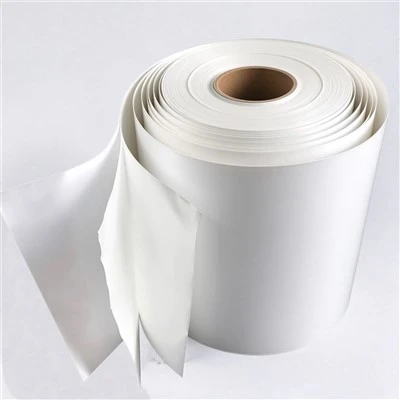
First, let’s clear up what we’re actually talking about here, because not all color ribbons are made equal. When people ask this, they’re usually mixing up two totally different types of ribbons: thermal transfer ribbons (the kind we supply, used with direct-to-garment transfer printers or handheld iron-on machines) and those satin ribbons you tie around party gift bags. Satin ribbons? Probably not great for t-shirt printing—they’re too thin, made of fabric that doesn’t handle heat super well, and they bleed if you try to melt the dye onto fabric. But thermal transfer color ribbons? That’s a whole other ball game, and this is where the magic happens. These ribbons are made with a plastic base (usually polyester or polyamide) coated in a thin layer of pigment or dye, right? The whole point is that when you apply controlled heat—from a thermal print head, or even a regular household iron if you’re working small—that coating melts and transfers onto whatever fabric you’re pressing it onto, like cotton, polyester, blends, even stretchy stuff like spandex.
Now, let’s get to the big question: does this actually work for t-shirts? Short answer: yes, but only if you’re using the right ribbon and pairing it with the right printing method. I’ve seen this work for everything from custom band merch for local shows to teacher appreciation tees for a whole elementary school. Let’s talk about how it actually works, because it’s not just “melting ribbon onto a shirt” (though that’s basically what it is, just way more controlled). Thermal transfer printing for t-shirts uses either a wax-resin ribbon or a resin-only ribbon, depending on what you need. Wax-resin is cheaper, works great for light to medium colored t-shirts, and gives you vibrant, smooth prints that don’t crack like some plastisol stuff if you wash them correctly. Resin ribbons? They’re more durable, stand up to way more washes, and work even better on dark t-shirts where lighter inks struggle to show up. We’ve had a customer who makes custom dark hoodies for her skate brand swear by our resin ribbons—she says the prints don’t peel even after 20+ washes, which is a huge deal for streetwear.
But wait, let’s be real—this isn’t going to replace screen printing for every bulk order, right? If you’re printing 500 identical tees for a company picnic, screen printing is still cheaper and faster. But if you’re printing small runs, like 1 to 50 custom tees with unique designs, or even one-of-a-kind pieces, color ribbons are a total game-changer. I remember a college student who reached out to us last year—she was making custom tees for her sorority’s spring philanthropy event, and she only needed 20 tees, each with a tiny unique inside joke design. Screen printing would’ve cost her hundreds in setup fees, which she couldn’t swing for a student budget. She used our wax-resin ribbons with a small handheld thermal transfer machine, and she printed each tee herself in her dorm room. The results? Way crispier than the iron-on vinyl she’d tried before, and it cost her less than $20 total for all 20 tees. That’s the kind of use case where color ribbons shine.
Now, I know what some of you are thinking: “Wait, won’t the color fade when I wash the shirt?” That’s a valid concern, and it’s one of the most common questions we get from people testing this out. The good news is, if you use the right ribbon and follow a few simple care tips, it’s actually pretty durable. Here’s the thing: when the ribbon’s coating melts onto the t-shirt fabric, it’s not just sitting on top like iron-on vinyl (which can lift if you peel at it). The dye or pigment from the ribbon actually bonds with the fabric fibers, especially if you use a high enough heat press during transfer. For the best results, we always tell customers to use a heat press set to 350°F (175°C) for 10 to 15 seconds, with a piece of parchment paper over the design to protect both the ribbon and the fabric. And when you wash the shirt? Turn it inside out, use cold water, don’t dry it on high heat. Follow those steps, and the print will last just as long as a decent screen print, I’d say.
But let’s be honest—this isn’t for everyone. If you’re running a commercial print shop that does thousands of tees a month, color ribbons might not be your primary setup. The cost per print is a bit higher than screen printing for large runs, and you can’t do super fine details (like tiny text smaller than 2mm) as crisply as DTG or screen print. But for small businesses, indie creators, event organizers, and even people just making custom tees for their family reunion? It’s perfect. We’ve had a couple of wedding planners use our ribbons to make custom tees for wedding parties—each with the couple’s initials or a fun design, and they were able to adjust sizes and designs right up until the day before the wedding, no waiting for screen printing proofs. That flexibility is a huge win for people who need last-minute custom work.
I should also mention that not all ribbons are equal, which is why we always make sure to walk our customers through what they need before they buy. A lot of people come in thinking any color ribbon will work, but you can’t use those old dot matrix printer ribbons (they’re too thin, the ink is water-soluble) or satin craft ribbons. You have to get thermal transfer ribbons specifically formulated for fabric, not for paper or labels. That’s our whole thing, right? We supply those specialized ribbons, and we don’t just send them out the door—we give free tips and troubleshooting to everyone who buys from us, because we want them to succeed, not waste their money on the wrong stuff. We’ve had people come to us frustrated because they used the wrong ribbon, tried to print onto a thick heavyweight cotton without prepping it, and the print smudged. But once we walked them through switching to resin ribbons and using a heat press properly, their results went from “meh” to “wow, this is way better than I expected.”
Another thing I love about color ribbon t-shirt printing is how accessible it is. You don’t need a huge, expensive setup to get started. You can grab a small thermal transfer printer (like the Epson F170 or Sawgrass Virtuoso, both work great with our ribbons), a basic heat press, and start printing right away. No need to deal with screen printing frames, emulsions, or cleaning up messy screens—just design your file on your computer, load the ribbon into the printer, and go. That’s why it’s such a popular option for home-based side hustles. We have a customer in Austin who prints custom tees out of her garage, and she started with just our ribbons, a small printer, and a heat press. Now she has a regular client base of local coffee shops and food trucks, and she swears our ribbons are the reason her prints look so good that people come back for more.
Wait, let’s talk about limitations for a sec, because I don’t want to oversell this. First, dark fabrics: like I mentioned earlier, resin ribbons work great on dark tees, but you still have to make sure the color contrast is right. If you use a light yellow ribbon on black fabric, it’ll be hard to see, so you need to pick a color that pops. Second, stretch fabrics: spandex blends work, but you have to be careful with the heat, because too much heat can melt the spandex. We always recommend testing a small scrap of fabric first if you’re working with stretchy tees, just to make sure the heat settings don’t damage the fabric. Third, very large designs: if you want a full-front print that’s 12×18 inches, color ribbon printing is possible, but it’ll take a bit longer than a screen print, and the cost will add up. So for giant designs, it’s not the most cost-effective, but for medium to small designs, it’s perfect.
I know a lot of people are skeptical at first, and that’s totally fair. When I first started working at our ribbon supply company, I was the same way— I thought t-shirt printing was only for people with big screen print shops and years of experience. But then we hosted a small workshop for local creators, and I watched a girl who’d never used a heat press before turn a blank white tee into a custom design in 10 minutes, using our ribbons. Her reaction was so cool—she couldn’t believe it was that easy, and she ended up launching an Etsy shop selling custom pet tees a month later. That’s the stuff that makes our job worth it, you know? Helping people turn a random question into a viable creative project.
So, to wrap this up: yes, color ribbons (specifically thermal transfer fabric ribbons) absolutely can be used for t-shirt printing, and they’re a fantastic option for small runs, custom work, side hustles, or anyone who needs flexible, high-quality prints without the hassle of screen printing setup fees. It’s not a replacement for every t-shirt printing method, but it fills a super important niche that a lot of people don’t know about.

If you’re curious to test this out for yourself—whether you’re a small business owner, a creator, or just someone who wants to make custom tees for your next event—we’re here to help. We supply high-quality fabric thermal transfer ribbons, and we don’t just sell products, we give you all the tips and support you need to get great results. No stuffy sales pitches, no hidden fees, just real advice from people who work with these ribbons every single day. Reach out to our team to chat about what you need, whether it’s for 10 tees or 100, and we’ll help you pick the right ribbon for your project.
Matt Silver PET References:
- Thermal Transfer Printing: A Practical Guide for Textile Applications, Textile Institute, 2021
- Durability of Thermal Transfer Prints on Cotton Fabrics, Journal of Applied Polymer Science, Vol. 138, Issue 22, 2021
- Small-Batch Custom Apparel Printing: Market Trends and Best Practices, Entrepreneur Small Business Report, 2022
China Lisontec New Material Co., Ltd.
We are one of the most professional color ribbon manufacturers and suppliers in China, also support customized service. As we have world-leading production equipment and strong manufacturing capabilities, we warmly welcome you to wholesale bulk color ribbon made in China here from our factory.
Address: 8-107, Xianlin Valley, Qimin West Road Qixia, Nanjing, China
E-mail: info@lisontec.com
WebSite: https://www.lisontec.com/
