Ever bought new brake pads for your ride, only to hear that weird pulsing through the brake pedal right after install—turns out, your brake disc’s warped, and it’s got nothing to do with cheap parts or a random manufacturing flaw. Let’s cut through the noise here, because I’m a brake disc supplier, not a textbook, and I’ve seen this exact issue trip up so many techs and DIYers that I stopped typing up technical whitepapers years ago to just tell it like it is. Brake Disc
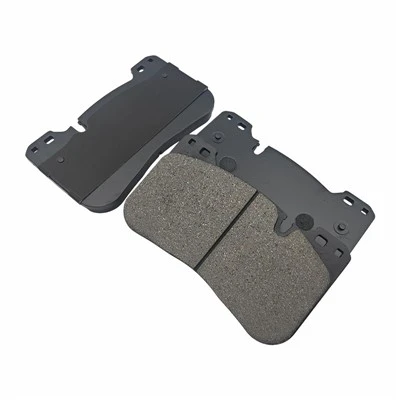
First, let’s debunk the biggest myth right out the gate: warped brake discs don’t “bend” from heat. That’s not how cast iron works, no matter what old forums say. Cast iron warps from uneven temperature expansion—simple physics, right? If you heat one side of a metal disc faster than the other, one side grows more, and since it’s bolted solid to the hub, it can’t just twist straight. That’s where the pulsing comes from, by the way; the pedal shakes because the warped spot presses unevenly against the pads every time you stop.
Now, why would this happen right after new pads? It’s not the disc’s fault most of the time. Let’s break down the most common scenarios I see come through my shop (wait, not my actual shop—my warehouse, but same vibe) because I’m the guy who gets calls at 7PM from panicking customers asking why their brand-new discs are warping two weeks in.
First up: the old “incompatible friction material” thing. I know, I know, it sounds like a sales pitch, but hear me out. When you slap new pads on a disc that’s been around for, say, 50,000 miles, those old pads are broken in—they’ve got this smooth, uniform transfer layer (yeah, we call it a “transfer film,” don’t roll your eyes) that forms on the disc’s surface. This film is non-negotiable for consistent heat transfer and even friction. Swap in new pads, especially performance pads, semi-metallic, or ceramic, and that film gets destroyed immediately. Why? New pads are too sharp, their friction compound is way harder or stickier than the old ones, so they can’t build that film right away. Instead, you’re getting metal-on-metal contact for the first few hundred stops—hot spots forming all over the disc, one side of the pad grabbing more than the other, boom, warp starts. I’ve seen this happen on 100% brand-new discs too—same issue. The customer thought they were upgrading to better pads, but they didn’t bed them, and bam, warped disc.
Second: improper bed-in. I can’t tell you how many times a tech will throw new pads and discs on a car, then hand the keys back to the customer saying “go drive normal.” No, no, no. Bedding (or “burnishing,” if you’re a stickler) is non-negotiable. For new pads and discs, you need to do like 10-15 slow stops from 30 MPH to 5 MPH, no hard braking, no dragging the brakes, and let the discs cool for 10 minutes between each. Skip that, and you’re asking for hot spots that turn into warps. Think about it: if you floor it from 60 MPH to a full stop right after install, you dump tons of heat into the brake discs all at once, way more than they’re designed to handle for a first use. That heat is uneven, the disc expands, then when it cools, it contracts unevenly, and bam—you’ve got a warp before you even hit 100 miles on the new parts. I’ve had customers send back discs they swore were “defective” because they did exactly that: a hard stop right after picking up the car from the shop, and the pedal was pulsing before they even got home. It’s not the disc, it’s the skip in bed-in.
Third: worn disc surfaces, even on “new” discs. Wait, hold on—you’d be surprised. Some budget brands turn discs on old machinery, so they have tiny, uneven machining marks. Those marks are invisible to the naked eye, but when you put new pads on, the pads hit those high spots first. Every stop, those high spots generate more friction, more heat, until they warp. Now, I don’t want to knock budget brands—we sell mid-range performance discs, and even we have a 0.001-inch machining tolerance for the surface. If a disc’s surface is off by even a hair, it creates that same issue. Also, let’s talk about surface contamination. If a disc gets grease, brake fluid, or even oil on it during install—say, a tech wipes their hands on the disc, or a brake line leaks a tiny bit when they’re bleeding the system—those spots burn when the brakes get hot, creating uneven wear. That’s another warp culprit that happens right after new pads.
Wait, but what about when a customer swears it’s the disc that’s defective, not anything they did? Let’s be real—manufacturing defects do happen, but they’re super rare. I’ve only seen maybe 2 or 3 defective discs come through our warehouse in the last 10 years. Most of the time, people mix up a “warped” disc with a “rough” disc, or even a bad wheel bearing. A bad wheel bearing will make the wheel wobble, which makes the disc look warped, but it’s actually the bearing. Rough discs are from worn brake machines, like I said, and they usually feel like a vibration at the steering wheel, not just the pedal. If you do have a real warp, it’s almost always from one of the scenarios above, not a factory flaw.
Now, let’s get into the science a little more, because I know you guys want to know the “why” behind the warp, not just the “what”. Cast iron has a coefficient of thermal expansion—meaning it gets bigger when heated. The hotter one part of the disc is, the more it expands. When that happens, the disc’s rotor face (the part that touches the pads) goes out of flat, usually by 0.005 inches or less, which is thinner than a human hair. But your brake system is sensitive enough to feel that—like, super sensitive. That tiny unevenness is enough to make the pedal pulse, because every revolution of the wheel, the disc’s high spot hits the pads, pushes back, and that’s the shake you feel. It doesn’t take a big difference to cause a huge problem, which is why even what seems like a small mistake during install or bed-in can lead to a warp.
Wait, another thing: old vs new discs reacting together. I’ve had customers come to me saying “I replaced one disc and new pads, now the new disc is warped!” Here’s why: the old disc is already slightly warped or has a different transfer film. The new pads will wear differently on the old, uneven surface, leading to uneven friction and heat on the new disc. So if you’re only replacing one disc and pads, you should always resurface the old disc too—don’t just swap one side. That’s a common mistake that leads to warped new discs, because the two sides aren’t matching.
Now, let’s talk about how to prevent this, because no one wants to deal with a pulsing pedal a week after a brake job. First, bed your pads and discs correctly. I can’t stress this enough. If you’re a DIYer, here’s the quick version: start at 30 MPH, brake down to 5 MPH gently, no stomping, no holding the brake at the bottom of the stop. Do 10 of these, then drive for 10 minutes at 50-60 MPH without touching the brakes to let them cool. Then do 10 more stops, and that’s it. Don’t go hard until after that—save the spirited driving for after 200 miles or so. If you’re at a shop, ask them if they bed the pads before handing the car back. A lot of quick-lube shops skip this, which is why so many people end up with warped discs right after install.
Second, pick the right pads for your discs. If you have OE-style discs (the stock ones on most cars), don’t just grab a set of heavy-duty performance pads unless you’re planning to keep them long-term. Semi-metallic or high-performance pads need a matching disc surface, because they generate way more heat than stock pads. If you swap to those, make sure your discs are up to par, or resurface them to get a smooth, uniform surface. Ceramic pads are a little easier, but they still need that transfer film to form—no skipping bed-in for those either.
Third, check the installation. Make sure the disc is seated correctly on the hub, no grease, no brake fluid on the surface, and all the bolts are torqued to the right spec (don’t over-torque, that can warp a new disc too!). If you’re a DIYer, follow the torque specs in your car manual—over-tightening the disc bolts can bend the rotor slightly, which feels exactly like a warp. And if you’re working on the brakes, make sure you clean the caliper pins too—sticky caliper pins cause uneven pad wear, which leads to hot spots and warps. That’s another big one! If the caliper can’t slide back and forth, one pad will stay pressed against the disc, dragging, building up heat, and warping the disc in hours.
Now, if you’re reading this and you already have a warped disc after new pads, what do you do? First, check if it’s actually a warp. Take the disc off, mount it on a brake lathe, and spin it—if the runout (how much it wobbles) is less than 0.003 inches, it’s probably fine, maybe just needs a resurface. If it’s more than that, you can either resurface it (if it’s thick enough—most discs have a minimum thickness, so don’t resurface too much) or replace it. But if you just installed it, and it’s under a thousand miles, it’s probably not a manufacturing defect. Most suppliers, including mine, will cover defects, but not user error. I’m not here to make excuses—if you did the bed-in wrong, that’s on you, but I will help you get it fixed without hassle if it’s something else.
Wait, let’s be transparent here: I sell brake discs, obviously, so I want you to buy from me, but I’m also the kind of guy who’ll tell you the truth even if it means you go somewhere else. Because if I don’t, you’ll end up with a warped disc a month later, and you’ll blame me. That’s why I wrote this—so techs and DIYers stop panicking when they get a pulsing pedal after new pads, and stop sending back perfectly good discs because they made a simple mistake.
A lot of people think brake discs are just round pieces of metal, but they’re precision parts. We machine them to within thousandths of an inch for a reason. A tiny mistake in install, bed-in, or pad choice can throw that whole thing off, and suddenly you’ve got a warp. It’s not magic, it’s just physics and a little care.
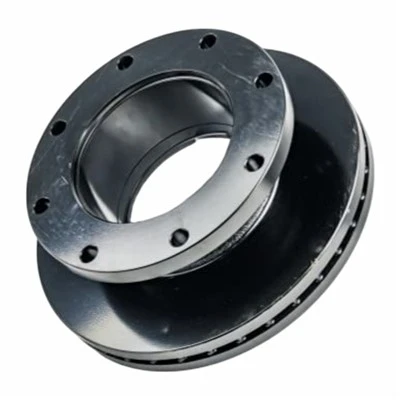
So, to wrap this up: warped discs after new pads almost never come from bad manufacturing. The most common causes are skipped bed-in, incompatible pads, bad install practices, or worn disc surfaces. If you’re dealing with this, don’t jump to blaming your disc supplier first. Double-check your install, do a proper bed-in, and make sure your pads are matched to your discs. If you need a replacement disc, or you want to ask about high-performance options for your next build, feel free to reach out to our team to discuss your brake needs—we’ll help you pick the right parts and avoid that pulsing pedal hassle.
Brake Disc References
- Automotive Brake Technology: Principles and Design, SAE International
- Friction Materials for Brakes, Society of Tribologists and Lubrication Engineers
- Brake Disc Warp: Causes and Prevention, Brake Manufacturers Association Technical Bulletin
Dongying Hongta Automobile Fitting Co., Ltd.
We’re known as one of the most professional brake disc manufacturers and suppliers in China, also support customized service. Please feel free to wholesale durable brake disc for sale here from our factory. For price consultation, contact us.
Address: No. 817 Bingsheng Road, Guangrao Economic Development Zone, Guangrao County, Dongying City, Shandong Province
E-mail: Amanda_song@hongtabrakes.com
WebSite: https://www.hongta-brake.com/
