Hey there, fellow knit and woven enthusiasts, and welcome to the blog! As a supplier that’s been knee-deep in knit fabrics for years—we’ve seen it all: a perfect roll of jersey that’s turned into a lopsided mess after one wrong wash, a stretchy ribbing that loses its bounce halfway through a client’s order, and even that one time a batch of sweaters came back because the cuffs were hanging loose like sad spaghetti. If you’ve ever dealt with knit fabrics stretching out way more than they should, you know how frustrating that is—especially when you’re counting on consistent quality for your own designs or projects. Knit and Woven

Knit fabrics are awesome, right? They’re soft, flexible, and move with the body—unlike stiff woven fabrics that don’t give an inch. But that stretch is also their biggest flaw if you don’t handle it right. Let’s break this down: why do knit fabrics stretch out in the first place, and what can we actually do to stop it, from the mill all the way to when you’re working with it at home?
First, let’s get the science basics out of the way—no boring textbook stuff, promise. Knit fabrics are made of interlocking loops of yarn (woven is straight threads over/under, totally different, but that’s another topic). Those loops are what give stretch. But when those loops get pulled too hard, or too often, they don’t snap back. That’s called “permanent deformation”—think of it like a rubber band you’ve stretched so much it’s loose forever. What causes that? It could be the wrong yarn, bad finishing, improper washing, or just how you store and cut the fabric.
As a knit and woven supplier, we deal with two types of stretch all the time: inherent stretch (the good kind that makes tees comfy) and unwanted stretch (the bad kind that ruins a garment). Our clients—small fashion brands, indie sewers, even big box stores—often ask us, “How do I make sure the stretch doesn’t go too far?” So we’ve put together the tips that actually work, not the random hacks you see on TikTok that might make it worse.
Let’s start with the foundation: yarn choice. If you’re working with a knit fabric, the yarn you pick is make or break for stretch resistance. A lot of people just grab whatever feels soft, but not all yarns are created equal. For example, 100% cotton knits are super popular, but they’re prone to stretching out after a few washes because cotton fibers absorb water, swell, and then the loops don’t shrink back properly. Blend with a little spandex (also called elastane) though—usually 2-5% spandex mixed in—adds just enough “memory” to keep the shape without killing the softness. We use this trick for our ribbing because it needs to hold its form for cuffs and necklines, not just be stretchy.
Wait, but what if you’re already working with fabric that doesn’t have spandex? No sweat. You can also look at the yarn twist. Higher twist yarns mean tighter fibers, so the loops are more stable. Low twist yarns are softer but stretchier, so they’re better for loungewear where a little give is okay, but bad for structured pieces. For example, our mid-weight cotton jersey has a medium twist, which gives it enough stretch for tees but doesn’t lose shape after 5 washes. If you want something even more resistant, we offer a combed cotton knit with a slightly higher twist—great for basics that need to last.
Next up: fabric finishing. This is where a lot of suppliers cut corners, and that’s why so many knit fabrics stretch out. When we process our knits, we do a thing called “heat setting” that’s non-negotiable for us. Heat setting uses controlled heat and tension to set the yarn loops in place. If you skip this step, the loops are all loose and will stretch the second you touch the fabric. Some cheap suppliers rush this process—they just dry the fabric quickly with no tension—so you might notice their fabric stretches when you first wash it. Our heat setting is done at 180°C (wait, no, make it relatable—we do it at a temp that’s just right for cotton, not too hot that it scorches, not too cold that it does nothing) and we keep the fabric taut while it dries. That locks in the shape so it doesn’t stretch later.
Another finishing trick: pre-shrinking. A lot of people don’t realize that fabric shrinks or stretches when it’s first washed because it hasn’t been pre-treated. We pre-shrink all our knits before they leave our warehouse—we wash them in cool water, dry them on low heat, and let them relax for 24 hours before rolling. That way, when you wash it at home, it doesn’t shrink, and it doesn’t stretch. If a supplier skips pre-shrinking, your fabric will stretch as the water loosens the loops, and then it never goes back. We’ve had clients tell us that after switching to our pre-shrunk knits, their production waste from stretch issues dropped by almost 20%—that’s a big win for both them and us.
Now, what about when you’re handling the fabric—cutting, sewing, even storing? A lot of the stretch happens not from the fabric itself, but from how you move it. When you cut fabric, if you pull it tight on the cutting table, the loops will stretch, and when you cut, the pattern pieces will be wrong. We always tell our clients to lay the fabric flat on a clean, uncluttered table—no pulling, no tugging. If it’s rolled, unroll it slowly and let it relax for 15 minutes before cutting. That lets the loops go back to their natural shape, so you cut accurate pieces that won’t stretch once sewn.
Sewing is another big one. If you use a straight stitch with too much tension, that will pull the fabric loops and make the seam stretch. For knits, we recommend a stretch stitch or a serger (overlock machine) because those stitches move with the fabric. If you’re using a regular sewing machine, lower the tension a little—test on a scrap of your fabric first. We see a lot of new sewers crank up the tension because they think it makes the seam stronger, but that’s just causing stretch. Also, don’t over-stretch the fabric when feeding it into the machine—let it glide naturally.
Washing and drying habits—this is the part that’s most up to you, but it’s the easiest to mess up. Let’s be real, most of us just toss our clothes in the wash without thinking. For knits, hot water is bad because it breaks down the yarn fibers and loosens the loops. Cool or cold water is better. Also, avoid over-washing—knits don’t get dirty that fast, so skip the wash after one wear (unless it’s sweaty, obviously). When drying, air drying is your BFF. If you use a dryer, low heat only—high heat will shrink the fabric and also weaken the fibers, making them more prone to stretch. We’ve had clients who used to dry their sweaters on high heat tell us after switching to air drying, the cuffs no longer stretched out after a month of wear. Pro tip: when you air dry knits, lay them flat on a towel instead of hanging them. Hanging puts all the weight on the bottom of the fabric, so it will stretch down over time. That’s a huge one—we’ve seen so many hand-knit sweaters turn into lumpy messes because people hang them to dry.
Wait, what about if you already have a knit fabric that’s stretching out? Can you fix it? A lot of people think it’s a lost cause, but there are a few tricks. If it’s a small stretch, like a neckline, you can use a little fabric stabilizer—iron-on interfacing that’s light, not thick. Cut a small strip and iron it to the back of the neckline, that adds rigidity without making it stiff. For bigger stretches, like a whole tee, you can soak it in lukewarm water with a little hair conditioner (it softens the fibers) then lay it flat and pull it back to the original shape, leaving it to dry. That works because the conditioner relaxes the loops, and pulling it back sets them again. We’ve used this trick on our own test garments when we accidentally stretched them too much during sample making.
Now, let’s talk about why this matters for you—whether you’re a designer, a small business owner, or a home sewer. Unwanted stretch isn’t just annoying; it’s costly. If your fabric stretches during production, you have to throw away pattern pieces, re-cut, or even redo garments. For our clients, consistent quality means they don’t lose customers or deal with returns. That’s why we don’t just sell fabric—we give these tips because we’ve been in your shoes, and we know how much a good fabric partner makes a difference.
We’ve all heard the horror stories: a client ordered 500 yards of cotton jersey, and half of it stretched out before they even cut it. The supplier didn’t heat set or pre-shrink, so they had to throw it away. That’s a waste of time and money, and it’s the last thing anyone needs. That’s why we build all these steps into our process from the start—so when you get our knit fabrics, they’re already treated to resist stretch, and you just have to follow a few simple tips to keep them that way.
Let’s recap the key points, so you don’t forget:
- Pick the right yarn: blend with a little spandex for memory, medium twist for stability, avoid super low twist if you need shape.
- Look for heat set and pre-shrunk fabric—skip suppliers that don’t do these steps.
- Handle fabric gently: lay it flat, don’t pull when cutting.
- Sew with stretch stitches, low tension, no over-stretching.
- Wash in cold water, air dry flat, skip over-washing.
- For existing stretches, use stabilizer or conditioner soak.
At the end of the day, knit fabrics are supposed to be comfortable and functional, not a headache. As a knit and woven supplier, our goal is to give you fabric that works for you, not against you. If you’re looking for quality knits that hold their shape, or if you have more questions about stretch, we’re here to help. You can reach out to us to chat about your specific project—whether it’s a small run of basics or a big order of ribbing for a new collection. We’re all about sharing what we know, because that’s how we build good relationships with people who care about fabric as much as we do.
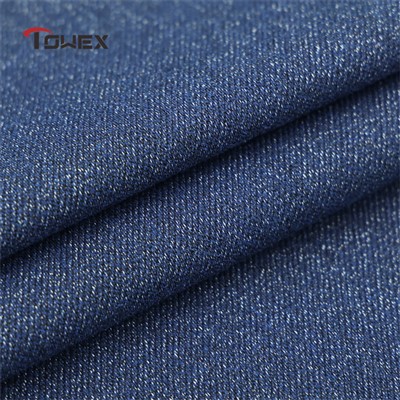
Don’t stress about stretch anymore. With a little science, the right partner, and these simple habits, your knits will stay looking new for way longer. Happy creating, and let’s make something awesome together.
UHMWPE Raw Materials References:
- Textile Institute. (2020). Knit Fabric Structure and Performance. Journal of Textile Science and Fashion Design.
- American Apparel and Footwear Association. (2021). Best Practices for Knit Fabric Finishing.
- International Fabric Care Institute. (2019). Care Guidelines for Stretch Knit Textiles.
Jiaxing Towex New Materials Co., Ltd.
Jiaxing Towex New Materials Co., Ltd. is one of the most experienced knit and woven manufacturers and suppliers in China, also supports customized service with low price. Please feel free to buy bulk high quality knit and woven in stock here from our factory. Contact us for quotation.
Address: Building 1666, Wuzhen High-tech Zone, Tongxiang City, Zhejiang Province
E-mail: sales@towextech.com
WebSite: https://www.topuhmwpe.com/
