If you’ve ever driven past a rural substation, a wind farm on a hill, or even a residential neighborhood’s power distribution hub, you’ve probably walked past an outdoor VCB without even noticing it. VCB stands for Vacuum Circuit Breaker, and the outdoor version is one of the most workhorses in the power industry these days—especially if you’re like me, working with a team that sources and supplies these units for all sorts of grid, renewable, and industrial projects. Outdoor VCB
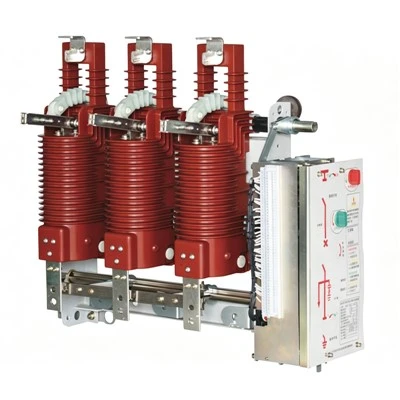
I get a lot of questions from people new to the power space: “Wait, why not just use an indoor breaker outside? Isn’t indoor gear cheaper?” Let me break that down first, because that’s where the core of outdoor VCB’s value starts. Indoor breakers are built to stay protected in climate-controlled rooms, but stick one out in the rain, snow, extreme heat, or dust, and it’ll die way faster than it should. Outdoor VCBs are sealed tight, with a durable housing that stands up to whatever Mother Nature throws at them, and they don’t need a fancy climate-controlled space to work. That’s why they’re the go-to for most outdoor power setups, and their applications are way more varied than you might think.
First up, the big one: grid distribution substations, both rural and urban fringe. Think about a small town that’s a few miles from the main power plant—those are the distribution substations that step down high-voltage power from the transmission lines to something your house or local shop can use. Out here, space is often at a premium, and the weather is unforgiving. A few years back, we supplied a set of outdoor VCBs to a rural substation in the Pacific Northwest that kept getting hammered by heavy rain and wind. The old indoor-style breakers they’d used before kept tripping randomly or corroding, which caused 3-4 outages a month during storm season. Swapping in the outdoor VCBs fixed that right away—they’re built to handle up to 90% humidity, and the sealed vacuum medium inside means no moisture can get in to mess with the electrical connections. I still get texts from the substation manager now and then saying they haven’t had a single weather-related outage since the swap. That’s the kind of real win we love seeing.
Then there are renewable energy projects—wind and solar farms, mostly, which are popping up everywhere now, and almost all of them rely on outdoor VCBs. Let’s talk about solar first: utility-scale solar farms are spread out over hundreds of acres, with rows of panels and inverters that feed power back to the grid. At each junction between the solar array’s collector lines and the main grid connection, you need a breaker that can handle power surges, switch on and off quickly when there’s a fault, and stand up to being out in the sun all day. Solar farms are often in remote, sunny places like Arizona or the Southwest, where temperatures can hit 110°F. Indoor breakers can’t handle that kind of consistent heat, but our outdoor VCBs have a thermal rating up to 125°F, so they keep running without overheating.
Wind farms are even tougher on gear—those turbines are on top of hills, sometimes 50 miles from the nearest grid substation, exposed to wind, ice, and salt air if they’re near coastal areas. Each turbine’s power output goes through a collection system, and you need breakers to isolate individual turbines if there’s a fault without taking the whole farm offline. A few months back, we delivered outdoor VCBs to an offshore wind project setup in the Atlantic—salt air would corrode regular breakers in a year, but our VCBs have a galvanized steel housing and a special coating to resist salt spray, so they’re good for at least 10 years without corrosion. That’s a huge deal for wind farm operators, who can’t afford to send maintenance crews out to replace breakers every season.
Next, industrial sites that are located away from the main grid—think mining operations, oil and gas facilities, and remote manufacturing plants. These sites need a lot of power, and they’re often in super harsh environments: mining areas have tons of dust and rock debris, oil fields have flammable gases and extreme temperatures, and remote factories might be in the middle of the desert with no access to indoor breaker rooms. I once worked with a mining company in Canada’s northern territories, where temperatures drop to -40°F in the winter. They tried using indoor breakers for their power distribution, but they seized up in the cold. Our outdoor VCBs are tested to work down to -55°F, so they run perfectly even when the ground is frozen solid. Also, industrial sites often have heavy electrical loads that can cause big faults—outdoor VCBs can interrupt those faults way faster than other breakers (like air breakers), which prevents equipment damage and keeps workers safe. That speed is key: vacuum breakers can clear a fault in less than two cycles of AC power, which is like 0.02 seconds. For a mine where a fault could cause a crane to shut down mid-load, that’s not just a convenience—it’s a safety thing.
Another underrated application: temporary power setups. Think of event venues that need backup power for a big festival, construction sites that are far from grid connections, or disaster response efforts after a hurricane knocks out power. Outdoor VCBs are perfect here because they’re lightweight, easy to mount on skids or trailers, and don’t need any permanent installation. When Hurricane Ian hit Florida a couple years back, a lot of relief teams used portable power stations with outdoor VCBs to power shelters and emergency communication gear. They’re also more reliable than portable air breakers, which can arc (a bad electrical spark) when moved around a lot. The sealed vacuum design of outdoor VCBs means no arcing if they’re jostled, so they’re safe to transport and set up quickly.
Wait, let’s talk about why outdoor VCBs are better than other types of breakers for all these uses, because that’s a question I get a lot. Old-school oil circuit breakers used to be the go-to outdoors, but they have a ton of downsides: they leak oil, which is bad for the environment, and they’re bigger and heavier than VCBs. Air breakers are cheaper, but they’re less reliable in extreme weather and can’t handle high voltage as well. Outdoor VCBs use vacuum as the insulating and interrupting medium, which is way more efficient. The vacuum is sealed inside the breaker, so it never gets contaminated by dust, moisture, or weather, which means longer lifespan—we typically see 20-30 years of use for outdoor VCBs, compared to 10-15 for oil or air breakers. That lower maintenance cost is a huge selling point for operators, who don’t want to spend time and money fixing or replacing gear every few years.
But it’s not just big projects. I’ve also sold outdoor VCBs to smaller operations, like agricultural co-ops that run their own power for irrigation systems and storage facilities. Farmers often have power lines running through fields, so they need breakers that can stand up to farm dust, animal activity, and occasional heavy rain. One farmer in Iowa told me his old indoor breaker got hit by a stray bullet from a neighbor’s hunting setup, which fried the circuit. The outdoor VCB we supplied is mounted 10 feet up on a pole, out of reach for most bullets, and sealed tight so dust doesn’t get in. It’s been working for two years now, no issues. That’s the thing about outdoor VCBs—they’re versatile enough for huge industrial projects and small rural operations alike.
Now, let’s be real—outdoor VCBs aren’t perfect. They’re more expensive upfront than some air breakers, right? But when you factor in the lower maintenance, longer lifespan, and fewer outages, they end up being way cheaper over time. I always tell customers to look at the total cost of ownership, not just the initial price. For a substation that relies on consistent power, the cost of an outage can be thousands of dollars per hour, so a breaker that prevents even one outage a year is worth every penny.

If you’re working on a project right now—whether it’s a new solar farm, upgrading a rural substation, outfitting a remote industrial site, or setting up temporary power for an event and need reliable, durable outdoor VCBs, we’ve got you covered. Our team has years of experience supplying these units for all kinds of applications, and we can help you pick the right model for your specific environment—whether you’re dealing with extreme cold, salt air, desert heat, or dust. We also offer installation support and maintenance tips to make sure your VCB runs smoothly for years. Don’t hesitate to reach out to our team to discuss your needs and get a quote tailored to your project.
Outdoor VCB References
- Electrical Construction & Maintenance. (2022). "Outdoor Vacuum Circuit Breakers: Applications and Environmental Resilience."
- International Electrotechnical Commission. (2021). "Standards for Outdoor High-Voltage Circuit Breakers (IEC 62271-100)."
- Solar Power World. (2023). "Component Selection for Utility-Scale Solar Farms: Breakdowns and Reliability."
- Mining Engineering. (2022). "Electrical Gear Requirements for Remote Mining Operations in Extreme Climates."
- Windpower Engineering & Development. (2021). "Offshore Wind Project Components: Corrosion Resistance for Electrical Gear."
Juhui Power Equipment Co., Ltd.
With abundant experience, we are one of the most reliable outdoor vcb manufacturers and suppliers in China. Please feel free to buy bulk outdoor vcb made in China here from our factory. Welcome to contact us for customized service and pricelist.
Address: No. 25 Dongzhen Road, Xiangyang Industrial Zone, Yueqing City, Wenzhou City, Zhejiang Province
E-mail: JuHui99998@outlook.com
WebSite: https://www.juhuipower.com/
