If you’ve ever dug into setting up a solar panel system—whether you’re a seasoned installer, a homeowner going solar for the first time, or even just someone who’s googled “why is my solar array making a weird static noise?”—you’ve probably wondered about all the tiny parts that hold it all together. The big stuff is obvious: panels, inverters, racks. But what about the little pieces? The brackets, the clamps, the rails? And wait—do any of those solar mounting components include grounding parts? As a solar mounting components supplier who’s talked to hundreds of installers over the years, this question is way more common than you’d think. A lot of folks mix up mounting hardware with electrical components, and that’s a mistake—because skipping the ground part isn’t just a code violation, it’s a safety risk. Let’s break this down like I’d explain it to a buddy who’s installing a system on his garage. Solar Mounting Components
First, let’s get one thing straight: grounding (or earthing, if you’re in some parts of the world) isn’t just for the solar panels’ electrical system. It’s for the whole setup, and mounting components are actually a huge part of that. I’ve had new installers come to me last minute, panicking because their old supplier said the mounting hardware was “just structural,” so they had to buy separate ground lugs. That’s not wrong, but it’s also not the whole story. Modern solar mounting parts aren’t just steel or aluminum brackets that hold panels up—most are engineered with integrated grounding features now, and there’s a good reason for that.
Think about it: when solar panels generate electricity, they produce direct current (DC) that flows through the panels, then to the inverter, then to your house. If there’s a fault—like a wire fraying, or a panel getting damaged by a hail storm—electrical current can escape where it shouldn’t. That’s where grounding comes in: it gives that current a safe, low-resistance path to the earth, so it doesn’t build up on metal parts of the mounting system, your roof, or even your tools. If those metal parts aren’t grounded, a stray current could give someone a nasty shock, or worse, start a fire.
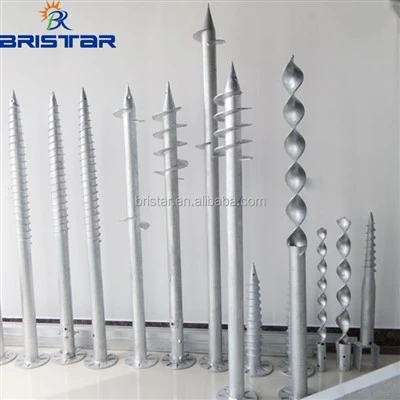
Now, let’s talk about what solar mounting components actually include. Most systems have three main mounting types: roof mounts (for shingles, metal roofs, flat roofs), ground mounts (for farms, open yards), and pole mounts (for uneven land or larger setups). For each, the core parts are rails, clamps, brackets, fasteners (bolts, nuts, washers), and sometimes wire management clips. The question is, which of these have grounding bits? Let’s go one by one.
Rails are the backbone of the mounting system. They run horizontally or vertically, holding the panel clamps in place. A lot of mid-range to heavy-duty rails we supply have what’s called a “grounding track” or a built-in grove for a bonding wire. The idea is simple: when you run a copper grounding wire along the rail, the metal rail (usually aluminum or galvanized steel, both great conductors) creates a continuous ground path. But wait—you can’t just run a wire along a non-conductive rail. That’s why cheap, plastic rails (yes, those exist, for super small off-grid setups) don’t count. For grid-tied systems, you need conductive rails, and almost all reputable suppliers make those with integrated grounding points.
Then there are clamps, those little pieces that hold each panel onto the rails. Here’s where a lot of people miss the ground part. Standard panel clamps work fine for holding the panel tight, but if they don’t have a built-in ground tab, you have to add a separate clamp-on lug to connect the panel’s frame to the ground rail. Wait a second—the panel frame is supposed to be grounded too, right? Because if current escapes the panel, it can travel along the frame. So if your clamp doesn’t make a solid connection between the frame and the rail, you’re basically leaving a gap in your ground system. That’s a big no-no. We make our mid-clamps and end-clamps with a small, pre-punched ground tab so installers can just tighten the clamp, hook the ground wire to the tab, and done. No extra parts, no mistakes. I’ve had a customer tell me last month that he saved 2 hours of labor on a 10-panel job just by using our grounded clamps instead of adding separate lugs. That’s the stuff that matters.
Fasteners—bolts, nuts, washers—are another spot where grounding happens. A lot of installers use regular zinc-plated bolts, but for ground connections, you need hardware that doesn’t corrode or create a gap. Wait, why? Because if rust builds up between a bolt and a rail, that’s a high-resistance spot—current won’t flow through it properly, so you lose the ground path. That’s why we supply stainless steel bolts and star washers (also called tooth washers) with all our mounting kits. The star washers bite into the metal rail and the bracket, creating a metal-to-metal connection that’s corrosion-resistant. If you skip the star washer, you might have a good connection today, but in a year or two, rust will eat away at the contact, and your ground system will be useless. We see that a lot in old installations—folks cut corners on fasteners, and then end up re-grounding the whole system a few years later, which is a huge pain.
Now, let’s address the elephant in the room: what about small, off-grid systems? Like a 1-panel setup for a tiny cabin. Do the mounting components there need grounding? The short answer is, maybe, but it depends. If your system is battery-based and only powering small lights, you might get away with a simpler setup. But even then, if your panels are on a roof, a lightning strike could hit them, and the current needs to go somewhere. I’ve had a customer with a 5-panel off-grid system tell me he skipped grounding, and a lightning strike damaged his inverter and two panels—total cost to replace was way more than the cost of a few grounding lugs. So even for small systems, it’s worth it.
Wait, but let’s clear up a common misconception. Some people think that the “ground” in solar is just the inverter’s ground wire. That’s not enough. The National Electrical Code (NEC) in the US, and similar standards around the world, require that the entire mounting system is bonded to the electrical ground. That means every metal part of the mounting system that could become energized has to be connected to the ground, either through the rail, the clamps, or a separate conductor. So if your mounting components don’t include grounding parts, you have to add them—no exceptions. That’s not a suggestion, it’s a code requirement.
I’ve had a lot of new installers come to me confused because they bought a “cheap” mounting kit online, and it didn’t have any grounding features. They assumed all kits came with that, but nope—some suppliers are cutting corners on the ground parts to lower the price. That’s a risky move. I once worked with an installer who used a $500 ground mount kit from a no-name supplier, and a year later, their inspection failed because the ground resistance was too high. They had to buy our rails with integrated grounding, re-do all the connections, and ended up spending almost twice as much as if they’d just bought the right kit the first time. That’s the kind of mistake we see all the time, and it’s why we make sure every one of our solar mounting components has clear, easy-to-use grounding options.
Let me also talk about how we design our components. As a supplier, we test every part for ground conductivity. For example, our ground rails have a continuous conductivity test—we make sure there are no gaps, no non-conductive coatings, so the ground path is solid. Our clamps are made with aluminum that’s anodized, but the grounding tab is left bare so the wire connects directly to the metal, no coating in the way. We include detailed instructions with every kit that show exactly where to attach the ground wire, so even a new installer doesn’t mess it up. That’s the kind of attention to detail that separates a good supplier from one that’s just selling cheap parts.
Now, what if you’re retrofitting an existing system? Maybe you have an old mounting setup that you want to add panels to, and you’re worried about grounding. Can you add grounding parts to your existing mounts? Absolutely. We sell separate ground lugs that clamp onto your existing rails, and extension wires for ground paths. The key is to make sure the connection is tight—no rust, no paint, no dirt between the lug and the rail. A lot of installers use a wire brush to clean the spot before attaching the lug, which ensures a good connection. It’s a quick step, but it’s crucial.
Another thing to consider: weather. If you’re in a coastal area with salt air, or a rainy region with lots of humidity, corrosion is a big issue. Our grounding components are made with marine-grade aluminum or stainless steel, so they don’t rust. A corroded ground connection is just as bad as no connection at all—current won’t flow properly, so your system isn’t safe. That’s why we don’t cut corners on the materials for grounding parts. Even if someone buys a cheaper non-grounding kit, we tell them to upgrade the fasteners and add the lugs if they’re in a harsh environment.
Let me wrap this up. The answer to “do solar mounting components include grounding parts?” isn’t a simple yes or no. It depends on the components, the supplier, and the type of system you’re building. But here’s the takeaway: reputable solar mounting components almost always include integrated grounding features, and if they don’t, you need to add them. Skipping the ground part is a safety hazard, a code violation, and can lead to expensive damage down the line.
As someone who’s been in the solar mounting components business for over a decade, I can tell you that the parts you choose matter more than most people realize. You don’t want to be the installer who has to fix a bad ground connection mid-project, or the homeowner who has to replace damaged panels because they skipped safety steps. If you’re putting together a system, whether it’s a small residential setup or a large commercial array, make sure your mounting components have the grounding you need. If you’re not sure what parts you need, or if you have questions about ground connections, don’t hesitate to reach out to us for a conversation. We’re here to help you pick the right components that are safe, code-compliant, and easy to install.

Don’t take chances with your solar system’s safety. Grounding isn’t an afterthought—it’s a core part of every good mounting setup. Make sure your supplier is giving you the parts you need, not just the cheapest ones.
L Feet References:
- National Electrical Code (NEC), Article 690 (Solar Photovoltaic Systems), 2023 Edition.
- International Code Council (ICC), International Residential Code (IRC) for Solar Mounting Requirements, 2021 Edition.
- Solar Energy Industries Association (SEIA), “Best Practices for Solar Mounting and Grounding,” 2022.
- Underwriters Laboratories (UL), Standard for Safety for Solar Photovoltaic Mounting Structures (UL 2703), 2021 Edition.
Xiamen Bristar Technology Co., Ltd.
As one of the most professional solar mounting components manufacturers and suppliers in China, we also support custom service. Please feel free to buy durable solar mounting components at competitive price from our factory. Quality products and punctual delivery are available.
Address: Room 1603-3, Building 05, Zone C, No.63 Xishanwei Road, Xixi, Software Park Phase III, Xiamen Torch High-tech Zone, Jimei District, Xiamen City, Fujian Province, P.R.China
E-mail: Jenny@hfpvsystem.com
WebSite: https://www.bristarsolarmounting.com/
