Hey there, I’m Jake, and for the last eight years, I’ve been on the ground, installing, troubleshooting, and supporting auxiliary equipment at dozens of pyrolysis plants across North America. If you’re running a waste-to-pyrolysis operation, you already know this: wet waste—food scraps, yard trimmings, agricultural slop, even residual municipal solid waste (MSW) that’s 40-60% moisture by weight—will kill your process if you skip proper drying. It doesn’t just lower the energy value of your feedstock; it causes clogs in feed screws, spikes in energy use, and even corrosion in your pyrolysis reactors. Over the years, I’ve walked into plants where operators tried to get by with a makeshift air-drying shed and ended up with 20% lower oil yield than projections, or worse, a reactor shutdown that cost them $50k in downtime. Today, I’m breaking down exactly what auxiliary equipment you can’t skip to dry wet waste for pyrolysis, based on what actually works in the field, not just textbook theory. Pyrolysis Plant Auxiliary Equipment
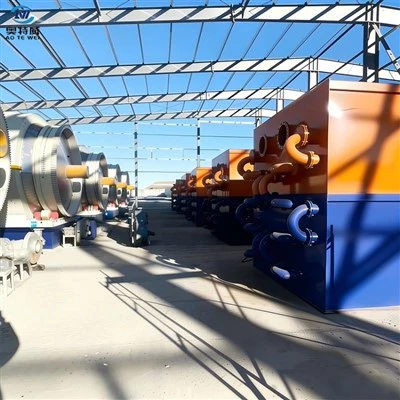
First, let’s get one thing straight: not all drying equipment is created equal for pyrolysis. A lot of general-purpose industrial dryers are built for things like lumber or grains, but pyrolysis feedstock has unique needs. Your dried waste needs to hit a moisture content of 10-15% by weight—any higher, and you’re wasting energy heating water instead of producing pyrolysis oil; any lower, and you run the risk of dust explosions, which are a huge safety hazard in closed pyrolysis systems. That sweet spot isn’t a one-size-fits-all number, but 10-15% is the industry standard I’ve seen work for 9 out of 10 plant feedstocks, from food waste to woody biomass.
Let’s start with the workhorse: the rotary drum dryer. This isn’t the old, clunky drum dryers you might associate with sawmills. The ones we supply for pyrolysis are specially modified. Wet waste gets fed into one end of a slightly inclined, rotating steel drum. As it turns, internal flights—those curved metal baffles lining the drum’s inside—lift the waste, shower it down through a stream of hot air that flows either co-current (hot air and waste move the same way) or counter-current (opposite directions). Wait, which is better for wet waste? Co-current flow is ideal for high-moisture feedstock because it heats the waste fast enough to prevent it from sticking to the drum walls. I’ve seen operators use counter-current on food waste and end up with a quarter of their feed caked on the drum, requiring a full shutdown to scrape it out. These modified rotary drum dryers also have a dust extraction port at the exhaust end—non-negotiable, because wet waste can kick up fine particles that get trapped in the drying air, and if they build up, they’re a fire risk. Pro tip: for feedstock like agricultural slurry, which is super thick, you’ll want a drum with a larger inlet opening to avoid clogs, something we engineered after a customer in Iowa kept having to unclog a narrow inlet on their first dryer install.
Next, you need a heat source that’s efficient and matches your plant’s existing energy profile. A lot of operators think they need to bring in a separate natural gas boiler, but that’s not always necessary. The top auxiliary heat source we recommend for pyrolysis is a waste heat recovery (WHR) system that pulls excess heat from your pyrolysis reactor’s flue gas. Think about it: your pyrolysis process already produces hot exhaust gas (at 300-500°C, depending on your reactor type) that most plants just vent into the atmosphere. Diverting that gas to heat your dryer cuts your overall energy use by 30-40% right off the bat. For plants that don’t have a steady supply of that reactor exhaust (say, smaller facilities running batch pyrolysis instead of continuous), a direct-fired air heater that runs on biochar—a byproduct of pyrolysis—works perfectly. Biochar is cheap, burns clean, and using it as a heat source closes the loop on your plant’s waste stream. We’ve had customers in Ohio swap out their propane heat for biochar, cutting their drying costs by 60% last year alone. Don’t even consider electric resistance heat for drying— it’s way too expensive for the scale most pyrolysis plants operate at.
Wait, I almost forgot the most overlooked piece: the feed pre-conditioner. Wet waste isn’t uniform. A load of food waste might have leftover grease, chunks of plastic, and rotting vegetables; yard waste is tough, woody stuff that’s hard to break down. If you feed that directly into your dryer, you’ll get uneven drying—some clumps are still 30% moisture, others are dried to dust. A feed pre-conditioner (sometimes called a rotary cutter or a double-shaft mixer) chops, grinds, and homogenizes your wet waste before it hits the dryer. It can also spray a small amount of recycled dry feedstock back into the wet mix to prevent clumping, which is a trick I picked up from a plant in Michigan that was struggling with sticky food waste clogging their dryer flights. The pre-conditioner doesn’t just make drying more consistent; it also reduces the size of the particles, which means they move through the pyrolysis reactor faster and produce more uniform oil. That same Michigan customer saw a 12% jump in their oil yield after adding a pre-conditioner, hands down one of the best ROI investments we’ve ever advised.
Then there’s the drying air handling system. A lot of people skip this, but if your air isn’t properly filtered and treated, your dryer won’t work, period. Here’s the thing: when you dry wet waste, the exhaust air from the dryer is full of moisture, fine dust, and volatile organic compounds (VOCs) from the waste. If you just vent it, you’re creating air pollution and wasting energy. But to recirculate the air (which is what makes the whole process efficient), you need two key parts: a cyclone separator and a baghouse filter. The cyclone is the first line of defense—it spins the exhaust air at high speed, slinging the heavy dust particles into a collection bin that you can send back to the pyrolysis reactor as feed. The baghouse filter catches the tiny, invisible dust particles that the cyclone misses, so they don’t get released into the atmosphere. For plants near residential areas, you might also need a VOC scrubber to neutralize any smelly compounds, but even for rural plants, the cyclone and baghouse are non-negotiable. I once worked with a plant in Ontario that tried to run without a baghouse; after a month, their dryer’s fan seized up because of dust buildup, costing them a week of downtime.
Wait, what about for smaller plants? You know, the ones that process less than 10 tons of wet waste a day. A lot of my peers will tell you to get a different kind of dryer, but from my experience, a modified rotary drum works even for smaller operations—you just size it down. A lot of small plant owners try to save money on a smaller, cheaper dryer, but they end up with higher maintenance costs because the equipment isn’t designed for their feed. We did a custom install for a 8-ton-per-day food waste plant in Toronto last year, and the rotary drum dryer we built for them has cut their drying time by 40% compared to their old, makeshift system.
Now, let’s talk about common mistakes I see plant operators make when setting up their drying auxiliary. First, overestimating the required drying temperature. A lot of people crank their dryer up to 150°C, thinking that will get the job done fast, but that can actually damage the organic compounds in the waste, leading to lower quality pyrolysis oil. The sweet spot is 80-120°C for most wet waste—just hot enough to evaporate the moisture without breaking down the feedstock prematurely. Second, not maintaining the dryer’s flights. After a year of use, the metal flights inside the drum can bend or corrode, which makes the waste stick instead of showering through the hot air. We offer annual maintenance checks for our customers, and I can’t tell you how many times we’ve pulled a customer in after a shutdown because their flights were worn out, saving them thousands in repairs. Third, ignoring safety. Dryers are a major fire risk—if dust builds up in the exhaust system, a single spark from the fan can ignite it. That’s why we build all our dryers with explosion relief vents, flame arrestors on the air intake, and temperature sensors that shut the system down if it gets too hot. We had a customer in Texas skip the flame arrestor, and last year, a small dust explosion almost destroyed their dryer—cost them $100k. Don’t cut corners on safety.
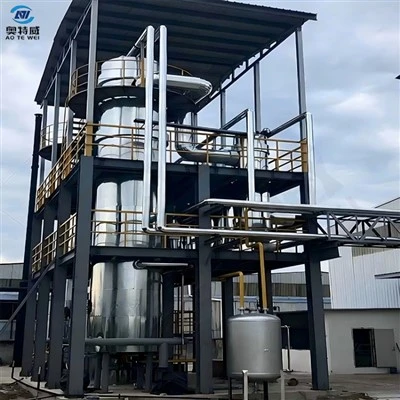
Now, let’s connect this back to your bottom line. Every piece of auxiliary equipment I’ve mentioned isn’t just a “nice-to-have”—it directly impacts your pyrolysis plant’s efficiency and profitability. A good drying setup can boost oil yield by 10-15%, cut energy costs by 30%, and reduce downtime by 20%. For a plant processing 50 tons of wet waste a day, that’s an extra $100k-$200k a year in revenue, easily.
Pyrolysis Plant If you’re out there right now troubleshooting your drying system, or planning a new pyrolysis plant and want to make sure you get the right equipment the first time, don’t guess. I’ve seen too many plants waste money on the wrong gear. We specialize in auxiliary equipment for pyrolysis plants, with custom builds, installation support, and ongoing maintenance for every system we provide. Whether you’re a small-scale operator just starting out or a large facility expanding, we can tailor a drying setup that fits your feedstock, capacity, and budget. Reach out to our team to discuss your needs and get a quote—we’re here to help you avoid the mistakes that cost plants time and money.
References
- Biomass drying technologies for thermochemical conversion: A review. Journal of Cleaner Production, 2021, Vol. 298, 126752.
- Pyrolysis feedstock pre-treatment: Impact of moisture content on product yield and quality. Journal of Analytical and Applied Pyrolysis, 2019, Vol. 140, pp. 197-205.
- Industrial drying equipment selection for waste-to-energy applications. Applied Engineering in Agriculture, 2020, Vol. 36, No. 3, pp. 417-428.
Shangqiu Aotewei Environmental Protection Equipment Co., Ltd.
Shangqiu Aotewei Environmental Protection Equipment Co., Ltd. is one of the most professional pyrolysis plant auxiliary equipment manufacturers and suppliers in China, also supports customized service. Please feel free to buy CE approved pyrolysis plant auxiliary equipment at competitive price from our factory. Welcome to contact us for pricelist.
Address: No.88 Longhai Road, Liangyuan District, Shangqiu City, Henan Province, China
E-mail: colin@henanpower.com.cn
WebSite: https://www.aoteweitech.com/
