Hey there, if you’re running a chemical raw materials supply business—like me—and you’ve ever stared at a warehouse shelf panicking because a drum of liquid raw material started leaking, or a batch of powders got contaminated because someone stored them next to a flammable solvent, you know this stuff isn’t trivial. I’ve been in the game for 8 years, and let me tell you: bad storage doesn’t just mess up your inventory—it can be a safety hazard, cost you thousands in replacements, and even tank your client trust. Today, I’m breaking down what actually works for us, no jargon, no fancy textbooks that ignore real-world warehouse chaos. Chemical Raw Materials
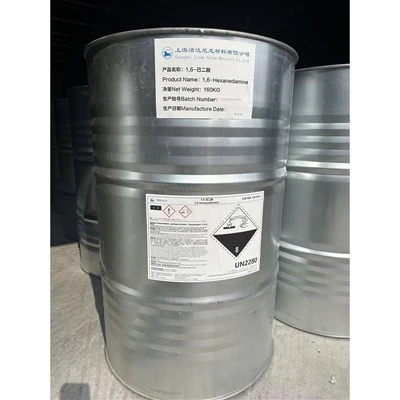
First, let’s start with the basics you can’t skip: categorize everything like your life depends on it (because it kinda does). I see so many small suppliers just stack random drums anywhere, thinking “it’s all chemicals, right?” Nope. We split our stock into three core groups, and we mark each with big, color-coded tags so even a new temp can spot them in 2 seconds. The first is flammables—think acetone, methanol, resin solvents. These go in a dedicated, vented fire cabinet we keep far from any heat source (no loading docks where the sun blasts in, either—we installed tinted panels for those walls). No exceptions here: we don’t store flammables near oxidizers, because if something sparks, oxidizers make fires spread way faster. The second group is corrosives: acids like hydrochloric acid, bases like sodium hydroxide pellets. These can’t touch metals, so we use plastic pallets for them, not wooden ones (wood has nails that can rust and react). We also keep them in a separate section with spill kits every 10 feet—way too many times I’ve seen a dropped acid drum leak onto a wooden pallet and eat right through it, damaging the pallet and making cleanup a nightmare. Third is non-hazardous, stable raw materials: things like food-grade citric acid, industrial talc, or regular nylon resin pellets. These are the easy ones, but even here, we don’t stack too high—2 pallets max, because a stack collapse doesn’t just break inventory, it can hurt someone.
Next up: labeling that’s actually useful, not just something you print off a old MSDS and slap on. I used to buy generic labels that only said “Acid” and that’s it—who knows what kind? Now, we print every label with four things: material name, hazard class, UN number (super important for shipping, but also for storage—regulators bug us about this all the time), and a big bold “store with” / “store not with” line. For example, a label for hydrochloric acid says: “Hydrochloric Acid, Corrosive, UN1789, STORE NOT WITH ammonia, flammables”. No guessing. We also use barcode labels for our inventory system, but even if the scanner breaks, the big text is there. Pro tip: never peel old labels off drums—paint a thin stripe of our color code on the drum, so even if the label gets damaged in storage, we know what it is at a glance.
Then, temperature and humidity control—this is where a lot of suppliers cut corners, and it bites them. A few years back, we stored a batch of liquid plasticizers in a unconditioned back warehouse, and by summer, the heat made them separate into goop and residue. We lost $12k worth of product, and our client was mad because they couldn’t use it. Now, we tailor temp and humidity per material, not just a one-size HVAC. Flammables need to stay between 10°C and 30°C, no swings—we have small thermometers we check twice a day, and if it goes over, we turn on extra exhaust fans (not AC blasts, which can cause condensation). Corrosives do okay with a bit more fluctuation, but too much humidity makes metal drums rust through faster—we keep that section at 40-50% humidity, which is just enough to prevent rust. The non-hazardous stuff? Still need it dry—powders absorb moisture and clump, which makes them useless for clients like paint manufacturers who need consistent particle size. We have dehumidifiers running 24/7 in the powder aisles, and it’s saved us a ton of clumpy inventory. Oh, and for any materials that need refrigeration—like some specialty pharmaceutical raw materials—we have lockable cold rooms, with temperature alarms that text us if it drops or spikes. No more coming in to find a whole batch thawed because the AC unit died overnight.
Spill and segregation is the big safety part, and I’ve seen too many warehouses mess this up. First, we have spill containment for every hazardous section: for liquids, we have secondary containment pans under every pallet of drums, big enough to hold 110% of the largest drum on the pallet. If a drum leaks, it doesn’t go onto the floor—just the pan, which we can clean up easily. For powders, we have sealed bulk bins, and we keep a stack of absorbent pads right next to the bins, not in a closet down the hall. Segregation also means no mixing incompatible materials—never store ammonia next to bleach, never store organic peroxides near anything flammable. We learned this the hard way when a temp put a box of peroxide next to a shelf of rags, and a rag caught a spark from a faulty light, almost starting a fire. Now, we use physical barriers—metal shelving dividers that are 3 feet high, so even if someone’s in a hurry, they can’t stack incompatible stuff. We also have a clear aisle system: 4-foot minimum aisles between all sections, so forklifts can move around without knocking over pallets, and emergency exits are never blocked. That’s a OSHA rule, yeah, but it’s also just common sense—if something goes wrong, you need a way out.
Now, inventory rotation—this isn’t just for groceries, it’s for chemicals too. A lot of chemicals have shelf lives, and storing old stock in the back means it goes bad before you use it. We use the FIFO method: First In, First Out. When a new shipment comes in, we put the new drums at the back of the shelf, and pull the old ones from the front. We also keep a log of every batch’s expiration date, and we do a monthly check: if a batch is 3 months from expiring, we flag it, contact our clients to see if they can use it early, and if not, we dispose of it properly (not just throw it in the trash—we use a licensed hazardous waste company, because improper disposal is illegal and dangerous). Last year, this saved us from throwing away $8k worth of raw materials—we had a client that needed a small batch quickly, and we pulled a near-expiration batch they didn’t even know we had.
Wait, let’s talk about people, too—because even the best storage system means nothing if your team doesn’t know how to follow it. We do monthly training for all warehouse staff, new and old. It’s not a boring PowerPoint—we do hands-on drills: spill cleanup, identifying hazard labels, what to do if a drum leaks. We also give a small bonus for anyone who catches a storage issue before it becomes a problem—last quarter, a part-time worker noticed a flammable drum was leaking a tiny bit, and we fixed it before it ruined the whole shelf. No one wants to be the person that causes a warehouse fire, so making training simple and relevant works way better than just a rulebook.
I get it, if you’re a small supplier, you might not have a huge warehouse or a fancy safety team. We started with a 1,000 sq ft space, and did all this on a tight budget—no need to spend a fortune on new cabinets. We bought used fire cabinets from a local industrial supply shop, and made our own color tags with a marker. The key is consistency, not perfection.

At the end of the day, storing chemical raw materials right isn’t just about following rules—it’s about protecting your team, your inventory, and your clients. If you’re a manufacturer, formulator, or another supplier looking for reliable chemical raw materials with proper storage to make sure you get product that’s safe and consistent, we’d love to chat. Whether you need a one-time order or a recurring supply, we’re here to make sure your materials are stored right, so you can focus on what you do best.
Non Phthalate Plasticizers References
- Occupational Safety and Health Administration (OSHA). Hazard Communication Standard: Chemical Storage.
- National Fire Protection Association (NFPA). Fire Code for Flammable and Combustible Liquids.
- U.S. Environmental Protection Agency (EPA). Guidelines for Storage and Handling of Hazardous Chemicals in Warehouses.
- American Chemical Society (ACS). Safe Storage of Chemicals in Commercial Facilities.
Jiaxing Xiaolan Import and Export Co., Ltd.
As one of the most professional chemical raw materials manufacturers and suppliers in China, we also accept customized orders. Please feel free to wholesale bulk high quality chemical raw materials in stock here from our factory. Also, quotation is available.
Address: Room 201, No. 22 Zhonghua East Road, Tongxiang, Jiaxing
E-mail: maoping@xiaolanchem.com
WebSite: https://www.xiaolanchem.com/
