If you’ve ever stood in a car parts supply warehouse, you know that every component’s design ties directly to how it’s used—and for center console plastic parts, waterproofing is one of the most talked-about topics right now. As a supplier of these parts, I get at least a dozen questions a week from automakers, aftermarket installers, and even regular car owners: Do center console plastic parts actually work as waterproof barriers? And if not, what can we do to make them hold up when spills, rain, or wet cargo happen? Let’s break this down from the perspective of someone who’s spent 12 years testing, producing, and troubleshooting these parts for clients across the globe. Center Console Plastic Parts

First, let’s get one thing straight: not all center console plastic parts are made to be fully waterproof. That’s a common misconception I see spread online, and it comes down to two key factors: material choice and manufacturing process. Most entry-level center console parts (think the basic storage cubbies, cup holder liners, and small plastic trim pieces found in economy cars) are made from low-cost polypropylene (PP) or ABS plastic. These materials are inherently water-resistant at first glance—they repel small amounts of liquid, like a coffee splash or a soda spill—but they’re not waterproof. Why? Because their surface isn’t sealed, and small gaps form where parts are joined: around the cup holder insert and the console’s main body, or where the hinge connects the storage lid. Even a tiny gap (sometimes less than a millimeter) can let water seep in over time, leading to mold growth, warping, or damage to the electronic components that live inside many modern consoles.
Now, for mid-range and premium center console parts—think the ones with wireless charging pads, USB ports, or built-in climate control vents—we’re dealing with a different standard. These parts are intentionally engineered with a waterproof function, and that’s where the science gets interesting. Let’s talk about the materials we use for these high-end components. We often switch to reinforced polycarbonate (PC) or a blend of thermoplastic elastomer (TPE) and PP, because these materials have better structural integrity and can handle the seal treatments needed for waterproofing. TPE, in particular, is a game-changer here: it’s flexible, so it can form a tight, continuous seal around gaps between parts, unlike rigid plastics that leave space. We also add a thin coating of liquid silicone rubber (LSR) to the inner surfaces of components that come into regular contact with liquids, like cup holder liners and storage tray inserts. This coating isn’t thick enough to feel bulky, but it creates a barrier that prevents water from seeping through the plastic’s pores or around joins.
But material choice is only half the story. The manufacturing process directly impacts a part’s ability to be waterproof. I’ve seen too many parts that were designed to be water-resistant fail because of poor injection molding or assembly. For example, when we produce center console parts with integrated electronic components, we use a process called over-molding: we place the electronic circuit boards into the mold, then inject the plastic around them. This creates a seamless bond between the plastic and the board, with no gaps for water to enter. For parts that have moving pieces—like sliding cup holders or console lids—we use ultrasonic welding instead of traditional adhesive to seal joints. Ultrasonic welding melts the edges of the plastic together, creating a bond that’s stronger and more watertight than any glue can be. In our own facility, we test every batch of these parts with a standard water submersion test: we place the fully assembled console part in 1 meter of water for 24 hours, then check for moisture inside the component. Only parts that pass this test go out to clients.
Now, let’s address the common edge cases that test even the best-designed center console plastic parts. What about a large spill, like a full 12-ounce soda can dumping into the console? A properly waterproofed part can handle that, but it’s not indestructible. If the spill is left for days, the water can seep through any tiny crevice that forms as the plastic expands and contracts with temperature changes (for example, from sitting in a hot parking lot all day, then getting cold and damp overnight). That’s why we also recommend that clients add a small drain hole to the bottom of storage trays and cup holder inserts for high-use vehicles—this way, any water that does get in can evaporate or drain out, instead of pooling and causing long-term damage. We’ve seen this simple adjustment extend the lifespan of center console parts by 30% for clients who work in ride-sharing or delivery services, where spills are a daily occurrence.
Another myth I want to clear up: center console plastic parts are not meant to be fully submerged (like a marine-grade component for a boat). Their waterproof function is for everyday use: accidental spills, rain seeping in when you load wet groceries into the back seat, or a water bottle that leaks in transit. Marine-grade parts use different materials, like fiberglass-reinforced plastic, and are built to handle constant submersion—center console parts for cars don’t need that level, because car interiors are designed to be dry spaces most of the time. That’s an important distinction, because automakers and aftermarket installers often ask us to build “100% waterproof” parts, and we have to explain that that’s not necessary (or practical) for automotive use.
What about aftermarket center console parts, which are popular for car enthusiasts who want to upgrade their vehicle’s interior? A lot of cheap aftermarket parts you’ll find online aren’t waterproof at all. They’re often made from the same low-grade PP as entry-level OEM parts, and assembled with cheap adhesives that break down after a few months of exposure to heat and moisture. As someone who’s worked with both OEM and aftermarket clients, I’d advise anyone looking to upgrade their console to ask specific questions before buying: What material is the part made from? Did it undergo submersion testing? Is there a warranty that covers water damage? Reputable suppliers will have that information available, and if they can’t answer, it’s better to look elsewhere. Our own aftermarket line of center console parts comes with a 2-year warranty that covers water-related damage, because we stand behind the waterproofing we build into each component.
Over the last few years, we’ve also seen a shift in what clients ask for. A few years ago, waterproofing was a “nice-to-have” feature; now, it’s a requirement for many new car models, especially in regions with heavy rain or for vehicles used in industries like agriculture or delivery, where drivers might get in and out with wet boots or jackets. We recently worked with a delivery van manufacturer to design a custom center console that can handle repeated spills from cold drinks, rain-soaked packages, and even mud that’s tracked in from cargo areas. We built the console with reinforced TPE seals, a drainable storage tray, and a scratch-resistant waterproof coating that can withstand the wear and tear of daily use. That project was a good reminder that waterproofing isn’t just about keeping liquid out—it’s about durability, which is a big part of what center console parts do.
I also want to talk about a common mistake that even experienced installers make: modifying a center console part to add accessories, like a phone mount or a charging cable, without accounting for waterproofing. For example, drilling a hole in a waterproof console to run a charging cable creates a gap that water can seep through. We always advise our clients to use pre-cut, sealed ports for cables, which we offer as an optional add-on. These ports are molded into the plastic, so they create a watertight seal around the cable, instead of leaving a raw hole that’s vulnerable to leaks. That small detail is something that separates a well-designed part from one that will fail after a few months.
At the end of the day, the answer to “Do center console plastic parts have a waterproof function?” depends on three things: who made them, what they’re made from, and how they’re assembled. Entry-level parts are water-resistant, meaning they can handle small, occasional spills without immediate damage. Mid-range and premium parts, built with reinforced materials, sealed joints, and tested manufacturing processes, have a genuine waterproof function that protects console internals from liquid damage. Cheap aftermarket parts often lack this feature, so it’s important to work with a supplier that prioritizes quality and testing.
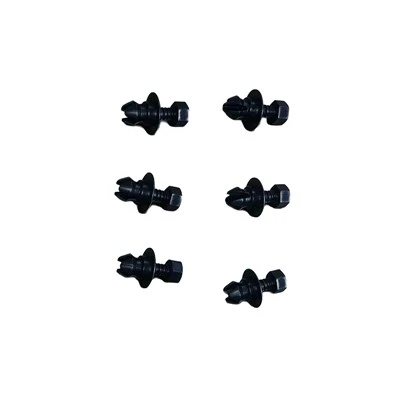
If you’re an automaker looking to source reliable center console plastic parts, an aftermarket installer needing custom components, or a car owner who wants to upgrade their interior with durable, waterproof parts, we’re here to help. We work with clients across all levels, from small repair shops to large vehicle manufacturers, and we can tailor parts to fit your specific needs, whether that’s a basic storage tray or a fully integrated console with electronics.
Center Console Plastic Parts References
- American Chemistry Council. (2022). Thermoplastic Materials for Automotive Interior Components.
- Society of Plastics Engineers. (2021). Waterproofing Methods for Automotive Injection Molded Parts.
- Automotive Industry Action Group. (2023). Standard Test Protocols for Automotive Interior Water Resistance.
Ningbo Xiaohua Plastic Industry Co., Ltd.
We are one of the most experienced center console plastic parts manufacturers and suppliers in China, specialized in providing high quality customized service to global clients. We warmly welcome you to wholesale durable center console plastic parts in stock here from our factory.
Address: No. 878, Gulin Section, Yinxian Avenue, Haishu District, Ningbo City, Zhejiang Province
E-mail: 13736009355@163.com
WebSite: https://www.cnxiaohua.com/
