Alright, let’s cut to the chase—if you’ve ever stood on a construction site, staring at those shiny, rigid metal molds holding wet concrete in place while it cures, chances are you’ve crossed paths with steel formwork. But let’s not just slap a textbook definition on it, okay? As a steel formwork supplier who’s been around the block (and the beam, and the column, and the foundation), I’ve got real-world tea on what this stuff actually is, why it matters, and why it’s way more than just a “metal box for concrete.” Steel Formwork
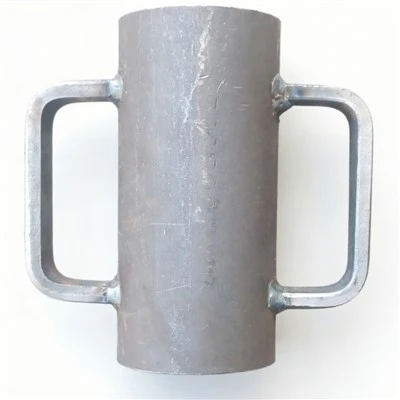
First off, let’s get the basics straight, but not the stuff your high school shop teacher mumbled about. Steel formwork is a reusable system of precision-fabricated metal panels (usually steel, duh, but sometimes aluminum for lighter lifts) that acts as a temporary mold to shape fresh concrete into exact structural or architectural elements—think foundation walls, bridge abutments, staircases, even custom decorative facades. Unlike those flimsy wooden forms your grandpa might’ve used back in the day, this isn’t a one-and-done job. We build these panels to stack, bolt, and tweak over and over again, which is why they’re a game-changer for big jobs.
Wait, let’s clarify the “precision” part because that’s where a lot of people mess up. When you pour concrete, it’s like a super heavy, slow-setting liquid—if your form shifts, your whole project’s off. Steel formwork panels are cut, punched, and welded to tight tolerances (we’re talking millimeters here, not inches) so they lock together like Lego for pros. No warping in the rain, no sagging under 10,000 pounds of wet concrete, no random gaps that let slurry leak out and ruin your surface finish. That’s the big difference between steel and other form types, let’s be real.
Let’s break down why it’s called a “system” instead of just “metal forms.” It’s not just flat panels—you’ve got corner pieces, adjustable struts, tie rods that hold panels tight so they don’t bow, and even access platforms if you’re working on high walls. Every component is designed to work together, which is why guys on site don’t have to guess how to put it up (at least not if they’re working with our stuff, obviously). For example, if you need a curved wall? We can fabricate flexible steel rib sections that bend just right, so you don’t have to nail 20 pieces of plywood to get a smooth curve. That’s the kind of detail that keeps contractors coming back.
Now, let’s get into the practical stuff that makes steel formwork different from, say, plastic or wood. Reusability is the MVP here. A good set of steel forms can get used 50+ times, sometimes even 100, if you maintain ’em right (sand the concrete residue off, oil the moving parts, store ’em covered). Compare that to wood forms, which are toast after 2 or 3 uses, or plastic, which cracks in the sun. For big commercial projects—like a 10-story apartment complex or a highway overpass—this saves so much time and cash. No need to buy new form material every week, no waiting for wood to get milled on site.
But it’s not all about concrete holding shape. Steel formwork also gives you a way better concrete finish. When you pour into smooth steel panels, you get a flat, consistent surface that barely needs any extra work—no sanding down rough spots, no patching holes from wood knots. That’s huge for architects who want clean, modern concrete facades instead of that “used palette” look you get with plywood. And let’s not forget strength: steel can handle way higher concrete pressures than any other form type. If you’re pouring a deep foundation or a massive retaining wall, steel won’t bend or break under the weight.
Wait, but let’s be real—it’s not perfect. Steel is heavier than aluminum or wood, so you need more cranes or manpower to move big panels. It’s also more expensive upfront, but like I said, the long-term savings make it worth it for most projects. That’s why we work with contractors to figure out if steel formwork is the right call for their job—sometimes a small residential pour might be better with something lighter, but for anything big, steel is the go-to.
As a supplier, I talk to guys on site every day who think “formwork is just forms,” but once they use steel, they never go back. Let me give you a quick example: last month, we hooked up a crew building a new sports stadium. They were using wood forms at first, and they were falling behind—each panel was warping, they had to fix 20 leaks every day, and the concrete finish was garbage. We brought in our steel panels, and they cut their form setup time by 40%. No more leaks, no more warping, and the concrete walls were so smooth they skipped the extra grinding step. That’s the kind of win we live for.
Let’s also clear up a common misconception: steel formwork isn’t just for big commercial jobs. We supply smaller, adjustable sets for custom homes too—like if someone wants a concrete basement with straight, clean walls instead of framed stud walls. It’s overkill for tiny projects, but for anyone who wants quality that lasts, it’s worth a look.
So when someone asks me, “What is steel formwork?” I don’t just say “metal molds for concrete.” I say it’s a precision-built, reusable system that takes the headache out of concrete construction, saves time and money on big jobs, and gives you a finish that holds up for decades. It’s not just material—it’s a tool that makes contractors’ lives easier and their projects better.
If you’re working on a project right now—whether it’s a small custom home, a bridge, or a skyscraper—and you’re tired of dealing with flimsy forms that waste time and cash, hit us up. We don’t just sell steel formwork; we help you pick the right panels, deliver them on time, and even give tips on how to set ’em up so your concrete turns out perfect. No hard sell, just real talk from a supplier who’s been in the trenches with you.
Scaffolding Accessories References:
- Construction Industry Institute. (2021). Formwork Performance Metrics for Commercial Construction Projects. University of Texas at Austin.
- American Concrete Institute. (2019). ACI 347-19: Guide to Formwork for Concrete. ACI International.
- Steel Construction Institute. (2020). Reusable Steel Formwork: Best Practices for Project Efficiency. SCI Publication P456.
Rizhao Wellfit Scafform Co., Ltd.
As one of the most professional steel formwork manufacturers and suppliers in China, we have world-leading production equipment and strong manufacturing capabilities. Please feel free to buy high quality steel formwork at competitive price from our factory.
Address: No. 7, Huasheng Road, Taoluo Town Industrial Zoon, Donggang District, Rizhao City
E-mail: sales@wfscafform.com
WebSite: https://www.wfscafform.com/
