Hey there, if you’ve ever stared at your laundry cabinet—whether it’s the one in your apartment that’s been holding up for a decade or the brand-new one you just installed—and wondered, “How long is this thing actually gonna last?” you’re not alone. As a laundry cabinet supplier, I get this question all the time, and it’s not just from homeowners—contractors, property managers, even folks renting out multi-unit buildings hit me up asking the same thing. Let’s break this down, no fancy lab jargon, just real talk about why some cabinets fall apart after 3 years and others stick around for 20+ (yes, I’ve seen both). Laundry Cabinets
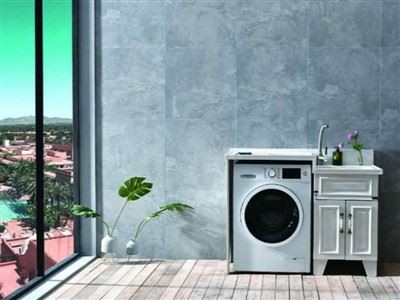
First off, let’s get one thing straight: there’s no one-size-fits-all answer. A lot of my customers expect a straight number, like “it’s 8 to 12 years, done.” But nah, it’s way more nuanced. Think of your laundry cabinet like a pair of sneakers—if you only wear ’em to grab the mail, they’ll last forever. If you run marathons in ’em every single day? They’ll blow out in months. Same logic applies here.
Let’s start with the biggest factor: materials. This is non-negotiable. I’ve had clients try to skimp on cabinets by going for cheap particleboard or thin MDF, and I’ll be real with you—those are ticking time bombs. Particleboard and MDF suck at handling moisture, and laundry rooms are basically moisture factories, right? You’re washing clothes, maybe you have a sink, steam from the dryer, spills from detergent or fabric softener, even humid weather seeping through windows. That water and steam will soak into cheap, porous board, make it swell, warp, and turn soft like a sponge. I’ve seen a $200 MDF cabinet go totally unusable in 2 years because the guy forgot to wipe up a detergent spill once and never checked it again.
Now, compare that to plywood or solid wood, or even high-quality thermofoil or stainless steel. Wait, don’t sleep on thermofoil—modern thermofoil is way better than the flimsy stuff they sold 10 years ago. If it’s applied right, no bubbles, no gaps at the edges, it’s moisture-resistant and can hold up really well. Stainless steel is the heavy hitter, obviously—commercial laundry rooms, laundromats, big family homes with kids who track in mud? Stainless steel cabinets might outlast the house. I did a job last year for a laundromat that’s been using our stainless steel cabinets for 17 years—they’ve got a few scuffs, but no warping, no peeling, no nothing. Solid wood, if it’s sealed properly, like with a marine-grade polyurethane or a lacquer that’s built for moisture, is also super durable. I’ve got a customer who’s had solid oak laundry cabinets for 22 years; he sands and recoats them every 5 years, and they still look almost new, except for a little patina from use.
Next up, installation. This is another make-or-break thing I see so many people sleep on. You could have the best cabinet in the world, but if it’s installed wrong, it’s gonna fail fast. I once had a guy come to me with a $1,500 high-quality plywood cabinet he bought from another supplier, already warped after 6 months. Turned out his handyman just set it on the floor without securing it to the wall—so every time he opened the heavy laundry basket or pulled the dryer out, the cabinet shifted, putting uneven stress on the panels and joints. Also, not using the right fasteners for the wall type? Drywall is great for holding up art, but not for a laundry cabinet that’s got a lot of weight—detergent jugs, folding baskets, the occasional laundry basket full of wet clothes. If you just screw into drywall anchors, those will pull out eventually. My team always tells customers to use lag bolts into wall studs, at least every 12 inches, and to add a toe kick for extra stability too. If installation is half-assed, even premium materials will crap out early.
Then there’s daily use and maintenance. Let’s be real—most of us don’t do deep cleans on our laundry cabinets every week. But the small stuff adds up. Wiping up spills right away? Duh. If you spill a bottle of liquid laundry detergent and leave it sitting for days, that stuff is caustic and will eat through the finish on wood or thermofoil, leaving a spot that will eventually turn into a hole. I see this all the time—people let the detergent bottle leak and just ignore it, and 6 months later they’re complaining their cabinet looks terrible. Also, not cleaning the inside regularly? Spills of fabric softener, leftover lint build-up that traps moisture, even pet hair that gets damp from being near the washer—all that stuff leads to mold or mildew, which weakens the material over time. On the flip side, the customer with the 22-year-old oak cabinets I mentioned earlier? He wipes his down once a month with a mild wood cleaner, sands out scratches every couple years, and he swears that’s why they’re still going.
Wait, what about average numbers? After dealing with thousands of laundry cabinets over the years, I can give you a rough range that makes sense. For entry-level, budget cabinets—usually thin MDF, thermofoil, or particleboard—with basic installation and minimal maintenance? You’re looking at 3 to 7 years. That’s the stuff you see at big box stores, the kind that works if you’re renting and don’t plan on staying long, or if you’re on a super tight budget and know you’ll replace it in under a decade.
Mid-range cabinets—thick plywood, good quality solid wood, or commercial-grade thermofoil, properly installed, with basic maintenance (wiping spills, annual checks for loose screws)? Those will last 8 to 15 years. That’s the sweet spot for most homeowners who plan to stay in their house for 10 or 15 years, don’t want to drop a fortune, but don’t want to replace cabinets every few years. I sell a lot of these—they’re not as cheap as the entry-level stuff, but they pay for themselves because you don’t have to swap them out when your kitchen or laundry room gets a refresh.
High-end, heavy-duty cabinets—stainless steel, solid hardwood with professional sealing, commercial-grade plywood, installed by experienced contractors, and well-maintained? These can easily last 15 to 25 years. Some even longer. The laundromat cabinets I mentioned? That’s 17 years and counting, and they’re still going strong. I’ve had residential customers with these same high-end stuff that’s lasted 20 years, just with minor fixes here and there.
Wait, but let’s talk about exceptions, because everyone’s situation is different. I had one customer who moved into a house with a set of entry-level MDF cabinets that the previous owner had installed. He worked from home, and his laundry room was also his office—so he had a mini fridge there, a space heater, all kinds of stuff that made the humidity way higher than normal. Those MDF cabinets were warped and falling apart in 18 months, which is way faster than the 3-7 year range. On the flip side, I had a guy in Portland, Oregon, where it rains almost every day, super humid. He installed mid-range plywood cabinets, properly sealed, and he wiped everything down after every load. Those lasted 16 years, which is at the high end of the mid-range timeline. So location, humidity levels in your specific laundry room, how often you use it—all of that tweaks the timeline.
Also, common problems that cut lifespan short, even if you think you’re doing everything right. One big one is not accounting for the washer and dryer’s vibration. I’ve seen people install cabinets right next to a front-loading washer, which vibrates like crazy when it’s on a heavy load. Over time, that vibration loosens joints, pulls screws out, and makes the cabinets shift. The fix? Leave a little gap between the washer and cabinet, or add a vibration-dampening pad under the cabinets if you’re mounting them on the same floor. Another big one is water damage from leaks—like a washing machine hose that starts leaking and you don’t notice for a week. Even a small slow leak can soak into cabinets and wreck them in months. I always tell customers to check their washer hoses every 6 months, replace them every 2 years, that’s a cheap fix that saves a ton of hassle.
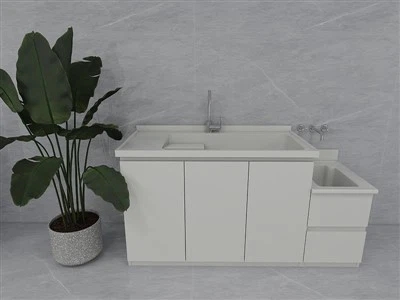
Now, let’s get back to what I tell my customers when they ask this. If you want a cabinet that’s gonna last, don’t just buy the cheapest one at the store. Ask about materials—insist on plywood or solid wood if you’re not going stainless. Make sure whoever installs it knows how to properly secure it to wall studs, not just drywall. And do the tiny maintenance stuff: wipe spills, check hoses, tighten screws once a year. That’s how you get the most out of your investment.
Mop Sink If you’re in the market for new laundry cabinets, whether you’re remodeling your laundry room, outfitting a new house, or setting up a commercial space like a laundromat or apartment building, I can hook you up with options that fit every budget and timeline. I’ve got entry-level stuff for folks on a tight budget, mid-range for most homeowners, and heavy-duty high-end for commercial or long-term residential use. My team works with you to make sure the installation is done right, no cutting corners, and I even give out free maintenance tips so your cabinets last as long as possible. If you’re tired of cabinets that fall apart after a few years, or you just want to get this right the first time, hit me up to chat about your needs. We can go over materials, sizes, whatever you need, and make sure you get cabinets that will serve you for years to come.
References
- National Kitchen & Bath Association. (2022). Kitchen and Bathroom Cabinet Lifespan Guide. National Kitchen & Bath Association.
- International Code Council. (2021). Residential Construction Standards for Cabinet Installation. International Code Council.
- Wood Database. (2023). Durability Ratings of Wood for Moisture-Prone Environments. Wood Database.
- Laundry Industry Association. (2022). Commercial Laundry Equipment and Cabinet Durability Report. Laundry Industry Association.
Zhejiang Engery Industry and Trade Co., Ltd.
As one of the leading laundry cabinets manufacturers and suppliers in China, we also support customized service with low price. Please feel free to buy bulk high quality laundry cabinets made in China here from our factory. Contact us for pricelist.
Address: Building 1, Wanshangcheng, No. 8, Jingxing West Road, Hushan Street, Jiangshan City, Quzhou City, Zhejiang Province
E-mail: 15005702323@163.com
WebSite: https://www.balconylaundry.com/
