As a supplier of insulating gloves, ensuring the quality of our products is not only a matter of business responsibility but also a crucial factor in safeguarding the safety of our customers. In the electrical industry, insulating gloves serve as a vital line of defense against electrical hazards, making it essential to have a comprehensive understanding of how to check their quality. In this blog post, I will share some insights and methods based on my experience in the field. Insulating Gloves

Visual Inspection
The first step in checking the quality of insulating gloves is a thorough visual inspection. This is a basic yet important process that can reveal many potential issues.
When you receive a batch of insulating gloves, start by examining the surface for any visible defects. Look for cuts, punctures, tears, or abrasions. Even a small cut can significantly reduce the insulation properties of the gloves, exposing the wearer to electrical risks. Check the edges of the gloves as well, as they are more prone to damage during handling or storage.
Another aspect to observe is the color of the gloves. A uniform color indicates a consistent manufacturing process. Any discoloration, such as spots or patches, may suggest chemical degradation or improper storage conditions. For example, if the gloves have been exposed to sunlight or certain chemicals for an extended period, they may develop discoloration, which can affect their insulating performance over time.
Inspect the texture of the gloves. They should feel smooth and free of any bumps or irregularities. Rough or uneven surfaces may be a sign of poor manufacturing quality or damage. Additionally, check for any signs of swelling or shrinkage. Swelling can occur due to exposure to solvents or other chemicals, while shrinkage may be caused by excessive heat or aging.
Physical Testing
After the visual inspection, physical testing is necessary to further assess the quality of the insulating gloves.
One of the most common physical tests is the inflation test. To perform this test, inflate the gloves with air until they are slightly expanded. Then, hold the gloves at the wrist and gently squeeze them. Listen for any hissing sounds, which may indicate the presence of leaks. A leaky glove cannot provide adequate insulation and should be discarded.
Flexibility is another important physical characteristic of insulating gloves. Try to bend and flex the gloves at different points, including the fingers, palm, and wrist. The gloves should be flexible and easy to move without cracking or excessive stiffness. Stiff gloves can restrict the wearer’s movement and increase the risk of accidents, especially in situations where dexterity is required.
The tensile strength of the gloves is also a critical factor. Although it is difficult to perform a precise tensile strength test without specialized equipment, you can still get a general idea by gently pulling on the gloves. The gloves should not tear or stretch excessively under normal pulling forces. If the gloves tear easily, it indicates poor material quality and may not be able to withstand the rigors of normal use.
Electrical Testing
Electrical testing is the most reliable way to determine the insulating performance of the gloves. However, it should only be conducted by trained personnel using appropriate testing equipment.
The most common electrical test for insulating gloves is the dielectric strength test. This test measures the maximum voltage that the gloves can withstand without electrical breakdown. Before the test, the gloves should be cleaned and dried thoroughly to ensure accurate results.
The test is typically performed by immersing the gloves in a tank of insulating oil or a suitable dielectric liquid. Electrodes are then placed inside and outside the gloves, and a gradually increasing voltage is applied. The test voltage is usually specified according to the type and class of the insulating gloves. For example, Class 00 gloves are designed to withstand a maximum test voltage of 1,000 volts, while Class 4 gloves can withstand up to 36,000 volts.
During the test, the current flowing through the gloves is monitored. If the current exceeds a certain threshold or if there is a sudden increase in current, it indicates electrical breakdown, and the gloves are considered defective. After the test, the gloves should be inspected again for any signs of damage or carbonization caused by the test.
In addition to the dielectric strength test, other electrical tests may also be performed, such as the leakage current test. This test measures the amount of current that leaks through the gloves when a specific voltage is applied. A high leakage current may indicate poor insulation quality or damage to the gloves.
Compliance with Standards
To ensure the quality and safety of insulating gloves, it is essential that they comply with relevant national and international standards. In the United States, the most widely recognized standard for insulating gloves is ASTM D120, which specifies the requirements for design, performance, and testing of insulating gloves.
When purchasing or selling insulating gloves, always check for the appropriate certification marks. These marks indicate that the gloves have been tested and meet the specified standards. For example, gloves that comply with ASTM D120 will typically bear the ASTM logo and the class designation.
In addition to ASTM standards, there are also other international standards, such as IEC 60903, which is widely used in Europe and other parts of the world. Make sure that the gloves you are dealing with comply with the relevant standards applicable in your target market.
Storage and Maintenance
Proper storage and maintenance are also crucial for maintaining the quality of insulating gloves.
Insulating gloves should be stored in a cool, dry, and dark place away from direct sunlight, heat sources, and chemicals. Exposure to sunlight and heat can cause the gloves to deteriorate over time, reducing their insulation properties. Similarly, contact with chemicals such as solvents, oils, or acids can damage the gloves and make them unsafe for use.
Before each use, the gloves should be visually inspected again for any signs of damage or wear. If the gloves are dirty, they should be cleaned using a mild soap and water solution and then dried thoroughly. Avoid using harsh chemicals or abrasive cleaners, as they can damage the gloves.
Insulating gloves should also be regularly tested according to the recommended schedule. The frequency of testing depends on the type of use and the environment in which the gloves are used. For example, gloves used in high – risk electrical applications may need to be tested more frequently than those used in less demanding situations.
Conclusion
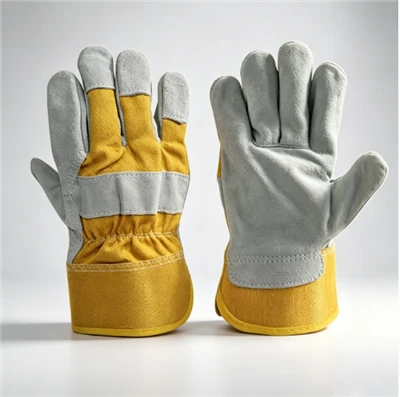
Checking the quality of insulating gloves is a multi – step process that involves visual inspection, physical testing, electrical testing, and ensuring compliance with standards. As a supplier, it is our responsibility to provide high – quality insulating gloves that meet or exceed industry standards. By following these inspection and testing methods, we can ensure that our customers receive safe and reliable products.
Cut-resistant Gloves If you are in the market for high – quality insulating gloves, we are here to provide you with the best solutions. Our team of experts can help you select the right gloves for your specific needs and ensure that they meet all the necessary safety requirements. Feel free to contact us to discuss your procurement needs and explore how we can work together to keep your electrical operations safe.
References
- ASTM D120 – Standard Specification for Rubber Insulating Gloves
- IEC 60903 – Insulating gloves for line workers
Shanghai Haokuo Security Technology Co., Ltd.
With abundant experience, we are one of the most professional insulating gloves manufacturers and suppliers in China. We warmly welcome you to wholesale premium insulating gloves in stock here and get free sample from our factory. All customized products are with high quality and low price.
Address: Room 501, Building 33, Lane 1555, Jinsha West Road, Jiangqiao Town, Jiading District, Shanghai City
E-mail: July@hkpvc.com
WebSite: https://www.hkglove.com/
