Medical titanium plates have emerged as a cornerstone in spinal surgery, revolutionizing the treatment of various spinal conditions. As a dedicated supplier of medical titanium plates, I’ve witnessed firsthand how these innovative devices have transformed the field of orthopedics, offering patients a chance at improved quality of life. In this blog post, I’ll delve into the functions of medical titanium plates in spinal surgery, exploring their unique properties and the crucial roles they play in stabilizing the spine and promoting healing. Medical Titanium Plates

1. Biocompatibility and Safety
One of the most significant advantages of medical titanium plates is their exceptional biocompatibility. Titanium is a non – toxic and inert metal, which means it does not react with the body’s tissues, fluids, or cells. This property is crucial in spinal surgery, as it reduces the risk of adverse reactions such as inflammation, allergic responses, or tissue rejection. When a titanium plate is implanted in the spine, the body recognizes it as a foreign object but does not mount an aggressive immune response. This allows the surrounding tissues to gradually grow around the plate, integrating it into the spinal structure over time.
The biocompatibility of titanium also contributes to the long – term safety of the implant. Unlike some other metals, titanium does not corrode or degrade in the body’s physiological environment. This stability ensures that the plate maintains its structural integrity throughout its lifespan, providing consistent support to the spine without the risk of releasing harmful substances into the body.
2. Structural Support and Stability
The primary function of medical titanium plates in spinal surgery is to provide structural support and stability to the spine. In cases where the spine has been damaged due to trauma, degenerative diseases, or congenital abnormalities, the normal alignment and stability of the vertebral column can be compromised. Titanium plates are used to correct spinal deformities, such as scoliosis or kyphosis, by holding the vertebrae in the correct position.
During spinal fusion surgery, which is a common procedure for treating conditions like herniated discs, spinal fractures, or spinal stenosis, titanium plates are used in conjunction with bone grafts. The plate acts as a rigid frame, holding the adjacent vertebrae together while the bone graft fuses the vertebrae into a single, solid structure. This helps to eliminate movement between the affected vertebrae, reducing pain and preventing further damage to the spine.
In addition to supporting the spine during the fusion process, titanium plates can also provide immediate stability after spinal trauma. For example, in cases of spinal fractures, a titanium plate can be used to immobilize the fractured vertebrae, preventing them from shifting and causing further nerve damage or spinal cord injury.
3. Facilitation of Bone Growth
Medical titanium plates can also play a role in promoting bone growth. Titanium has a porous surface structure that allows bone cells to attach and grow into the plate. This process, known as osseointegration, is essential for the long – term success of the implant. As bone cells grow into the pores of the titanium plate, they form a strong bond between the bone and the implant, effectively integrating the plate into the spinal structure.
Furthermore, some medical titanium plates are coated with substances that can stimulate bone growth, such as hydroxyapatite. Hydroxyapatite is a mineral that is naturally found in bone, and coating the titanium plate with this substance can enhance the adhesion of bone cells and promote more rapid bone formation around the implant. This not only improves the stability of the plate but also accelerates the healing process after spinal surgery.
4. Minimally Invasive Surgery and Adaptability
Advances in medical technology have made it possible to use titanium plates in minimally invasive spinal surgeries. Minimally invasive procedures offer several advantages over traditional open surgeries, including less pain, shorter hospital stays, and faster recovery times. Titanium plates can be designed to be small and flexible, allowing them to be inserted through small incisions in the body.
These plates can also be customized to fit the specific anatomical needs of each patient. The shape, size, and thickness of the titanium plate can be adjusted to match the curvature of the spine and the individual requirements of the surgical procedure. This adaptability ensures that the plate provides the optimal level of support and stability for each patient, improving the overall success rate of the surgery.
5. Imaging Compatibility
Medical titanium plates are also highly compatible with various imaging techniques, such as X – rays, CT scans, and MRIs. Unlike some other metals, titanium does not produce significant artifacts or interference in these imaging modalities. This allows surgeons to accurately monitor the position of the titanium plate and the progress of bone fusion after surgery.
Clear imaging is essential for evaluating the success of the spinal surgery, detecting any complications early, and making informed decisions about the patient’s post – operative care. The ability to obtain high – quality images without interference from the implant is a significant advantage of using medical titanium plates in spinal surgery.
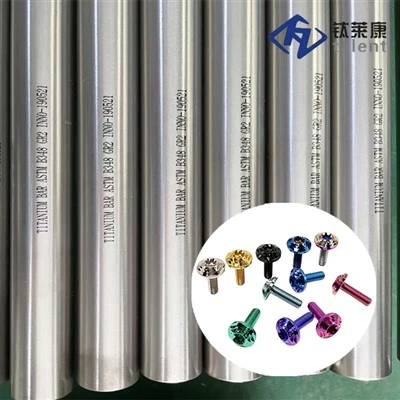
As a supplier of medical titanium plates, I am committed to providing high – quality products that meet the strict standards of the medical industry. Our titanium plates are manufactured using the latest technology and undergo rigorous quality control measures to ensure their safety and effectiveness.
Dental Titanium Round Discs If you are a healthcare professional involved in spinal surgery or a medical institution seeking reliable medical titanium plates, I encourage you to reach out to us for more information. We are ready to engage in discussions about your specific needs and offer customized solutions to meet the demands of your patients. Let’s work together to improve the lives of those suffering from spinal conditions through the use of our advanced medical titanium plates.
References
- Park, S. Y., & Cheung, J. Y. (2019). Biocompatibility of titanium implants in orthopedic surgery. Journal of Orthopaedic Translation, 18, 1 – 10.
- Vaccaro, A. R., & Hilibrand, A. S. (Eds.). (2018). The Adult Spine: Principles and Practice. Lippincott Williams & Wilkins.
- Boden, S. D., & Rechtine, G. (2003). Spinal fusion and complex spinal reconstruction. Elsevier Health Sciences.
Baoji Tailaikang High-Tech Metal Materials Co., Ltd.
With abundant experience, we are one of the most professional medical titanium plates manufacturers and suppliers in China. Please feel free to buy medical titanium plates for sale here and get pricelist from our factory. For price consultation, contact us.
Address: No. 1, Southeast Cross of Gaoxin Avenue and Fenghuang 3rd Road, High-tech Development Zone, Baoji City, Shaanxi Province, China
E-mail: sale@tlkjs.com
WebSite: https://www.tlkmetal.com/
