Newborns are a bundle of joy, but they also come with a lot of responsibilities, especially when it comes to diaper usage. As a supplier of newborn diapers, I often get asked the question: “How many newborn diapers do I need per day?” In this blog post, I will share some insights on this topic based on scientific research and practical experience. Newborn Diapers
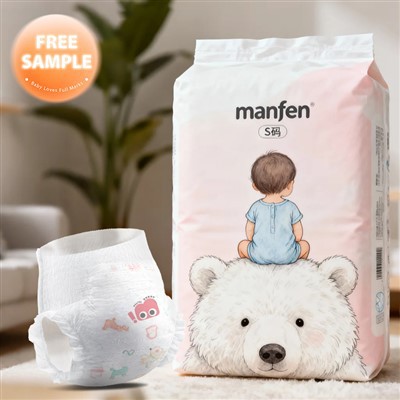
Understanding Newborn Diaper Needs
The first few weeks of a baby’s life are a time of rapid growth and development. Newborns feed frequently, which means they have more bowel movements and urinations compared to older babies. On average, a newborn may have 6 to 10 wet diapers and 3 to 4 dirty diapers per day. This high frequency of diaper changes is necessary to keep the baby’s skin clean and dry, preventing diaper rash and other skin irritations.
The frequency of diaper changes can vary depending on several factors, including the baby’s diet (breastfed or formula-fed), the baby’s metabolism, and the type of diapers used. Breastfed babies tend to have more frequent and looser bowel movements, which may require more frequent diaper changes. Formula-fed babies, on the other hand, may have fewer bowel movements but may still need frequent diaper changes due to urine output.
Factors Affecting Diaper Consumption
- Age: As mentioned earlier, newborns have the highest diaper consumption. In the first month, a baby may need up to 10 – 12 diaper changes per day. As the baby grows, the frequency of diaper changes gradually decreases. By the time the baby is 6 months old, the number of diaper changes may drop to 6 – 8 per day.
- Diet: Breast milk is easily digested, which leads to more frequent bowel movements in breastfed babies. Formula-fed babies may have more formed stools and less frequent bowel movements. However, both types of babies need regular diaper changes to prevent skin problems.
- Health and Hydration: A well – hydrated baby will have more wet diapers. If a baby is sick, such as having diarrhea or fever, the frequency of diaper changes may increase. Diarrhea can cause more frequent and watery stools, which require immediate attention to prevent skin breakdown.
- Diaper Capacity: The absorbency of diapers varies from brand to brand. Some diapers can hold more urine and feces than others. Using high – capacity diapers can reduce the number of diaper changes, but it’s still important to check the diaper regularly to ensure the baby’s comfort.
Calculating the Daily Diaper Requirement
To estimate the number of diapers needed per day, we can consider the following general guidelines:
- First Week: Newborns typically need 10 – 12 diapers per day. In the first few days, the baby may pass meconium, a thick, blackish – green substance that is the first stool. After that, the stools become more yellow and seedy.
- Second to Fourth Week: The number of diaper changes may remain around 10 per day. By the end of the fourth week, some babies may start to have fewer bowel movements, especially if they are formula – fed.
- One to Three Months: The daily diaper requirement may decrease to 8 – 10 diapers per day. As the baby’s digestive system matures, the frequency of bowel movements may become more regular.
- Three to Six Months: At this stage, babies usually need 6 – 8 diapers per day. They are starting to become more active, and their diet may also be changing, which can affect their bowel and bladder habits.
Choosing the Right Diapers
As a newborn diaper supplier, I understand the importance of choosing the right diapers for your baby. Here are some factors to consider when selecting diapers:
- Size: Newborn diapers are specifically designed for babies weighing up to 10 pounds. It’s important to choose the right size to ensure a proper fit and prevent leaks. A diaper that is too small may be tight and uncomfortable for the baby, while a diaper that is too large may not provide adequate protection.
- Absorbency: Look for diapers with high – absorbency cores. These diapers can hold more urine and keep the baby’s skin dry for longer periods. Some diapers also have wetness indicators, which change color when the diaper is wet, making it easier to know when it needs to be changed.
- Softness: Newborns have delicate skin, so it’s important to choose diapers made from soft, hypoallergenic materials. Avoid diapers with harsh chemicals or fragrances that may irritate the baby’s skin.
- Design: Diapers come in different designs, such as disposable and cloth diapers. Disposable diapers are convenient and easy to use, while cloth diapers are more environmentally friendly and cost – effective in the long run.
Cost Considerations
The cost of diapers can add up quickly, especially in the first few months of a baby’s life. When budgeting for diapers, it’s important to consider the cost per diaper and the number of diapers needed per day. Disposable diapers can vary in price depending on the brand, size, and features. Cloth diapers may require a higher upfront investment but can save money over time.
As a newborn diaper supplier, I offer a range of high – quality diapers at competitive prices. We understand the financial burden that new parents may face, and we strive to provide cost – effective solutions without compromising on quality.
Benefits of Using Our Newborn Diapers
- Superior Absorbency: Our diapers are designed with advanced absorbent technology to keep your baby dry and comfortable. The high – capacity cores can hold a large amount of urine, reducing the risk of leaks and skin irritation.
- Soft and Gentle: We use only the softest, hypoallergenic materials in our diapers. Our diapers are free from harsh chemicals, fragrances, and dyes, making them suitable for even the most sensitive newborn skin.
- Secure Fit: Our diapers have a stretchy waistband and adjustable tabs to ensure a secure and comfortable fit. The contoured shape of the diaper allows for free movement, so your baby can play and sleep without any restrictions.
- Eco – Friendly Options: We also offer eco – friendly diaper options for parents who are concerned about the environment. Our biodegradable diapers are made from sustainable materials and break down more quickly in landfills.
Importance of Regular Diaper Changes
Regular diaper changes are not only important for preventing diaper rash but also for your baby’s overall health and well – being. When a baby’s skin is in contact with urine and feces for too long, it can lead to skin infections, such as yeast infections. These infections can be painful for the baby and may require medical treatment.
Changing the diaper regularly also helps to keep the baby’s genitals clean and reduce the risk of urinary tract infections. It’s important to clean the baby’s bottom thoroughly with mild soap and water or baby wipes during each diaper change.
Conclusion
In conclusion, the number of newborn diapers needed per day can vary depending on several factors, but on average, a newborn may need 8 – 12 diapers per day in the first month. As the baby grows, the number of diaper changes gradually decreases. Choosing the right diapers and changing them regularly is essential for your baby’s comfort and health.
Regular Pads As a trusted newborn diaper supplier, we are committed to providing high – quality diapers that meet the needs of both parents and babies. If you are interested in learning more about our products or would like to discuss a potential purchase, we encourage you to reach out to us. We would be more than happy to assist you with any questions or concerns you may have.
References
- American Academy of Pediatrics. (2023). Caring for Your Baby and Young Child: Birth to Age 5.
- Diaper Manufacturers Association. (2023). Diaper Usage Guidelines.
- Pediatrics Journal. (2022). The Impact of Diaper Changes on Infant Skin Health.
Shenzhen Lechen Sanitary Products Co., Ltd.
As one of the most experienced newborn diapers manufacturers and suppliers in China, we also support customized service with low price. We warmly welcome you to buy cheap newborn diapers made in China here from our factory. For free sample, contact us now.
Address:
E-mail: gina@lechenpersonalcare.com
WebSite: https://www.lechenpersonalcare.com/
